
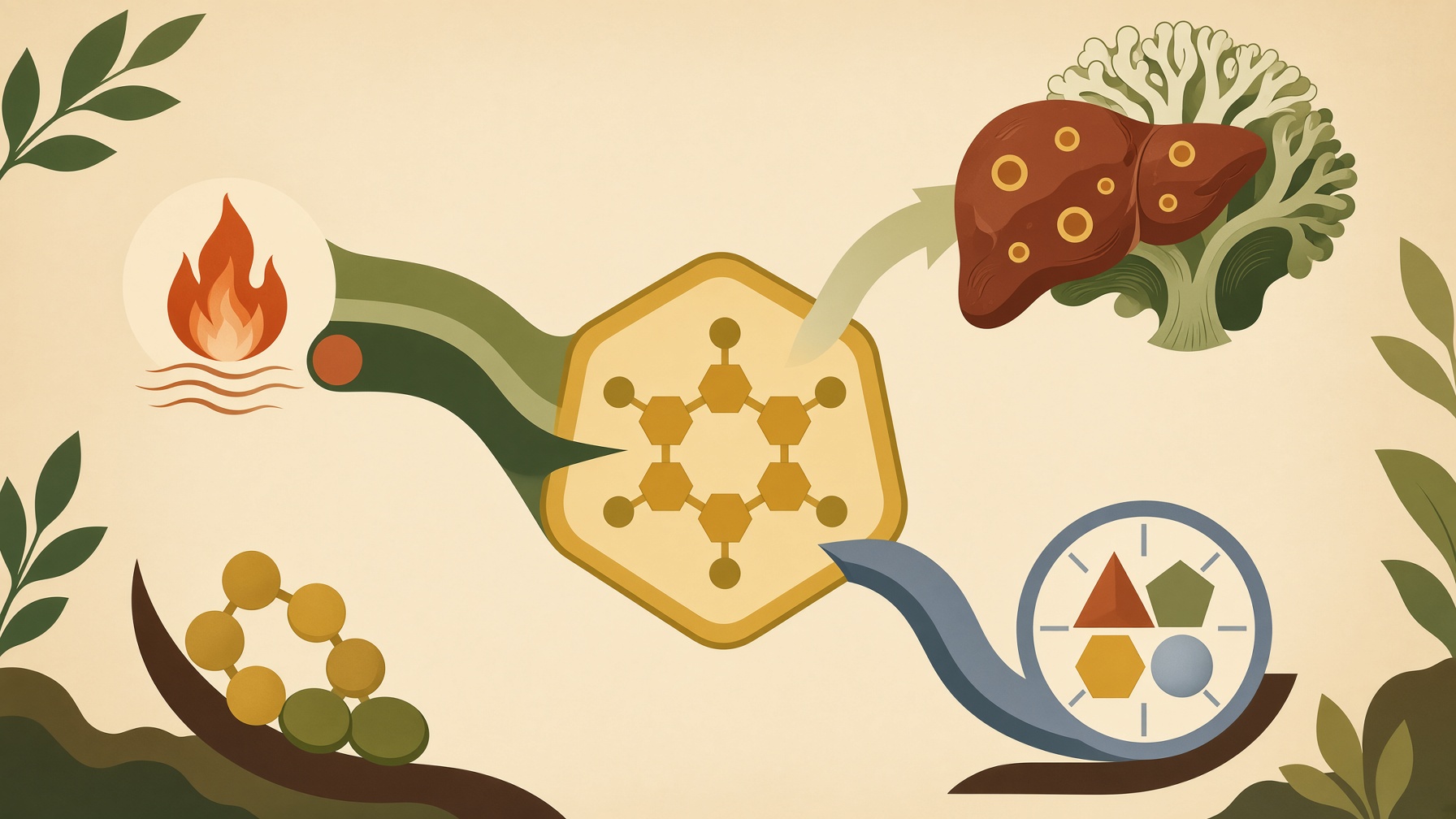
Carbohydrates Aren’t Just Fuel
Carbohydrate metabolism supplies more than immediate energy, providing glucose-derived material that cells can store or use to build molecules.
Categories
Human nutrition and metabolism looks at how food nourishes the body and what happens after we eat. Nutrition focuses on the relationship between food, nutrients, and health. Metabolism is the set of processes the body uses to process, store, and use nutrients and manage energy under different conditions.
The body needs energy and nutrients to function and repair itself. How nutrients are supplied, processed, and used plays an important role in health. Nutrition is one part of a wider picture that includes genetics, environment, life stage, physical activity, sleep, and other aspects of lifestyle.
This category covers how carbohydrates, fats, and proteins are digested, absorbed, stored, and used; how vitamins and minerals support normal body functions; and how the body manages energy in different states. It also includes fiber, hydration, dietary patterns, nutrient requirements, food safety, body composition, and eating habits such as what people eat, how much they eat, and how often.
Here, we look at what nutrients do in the body, how food relates to energy and metabolism, and how dietary patterns and eating habits fit into overall health. We also unpack common nutrition concepts so they are easier to understand and judge. The goal is to support more informed food and lifestyle choices, with less reliance on nutrition misinformation, pseudoscience, and unsupported claims.
Our approach emphasizes evidence, practicality, flexibility, and respect for different cultural contexts. We aim to translate nutrition science into useful everyday understanding. That means explaining how nutrition works, where individual differences matter, and how to think more critically about nutrition information and trends.
From this collection
Carbohydrate metabolism supplies more than immediate energy, providing glucose-derived material that cells can store or use to build molecules.
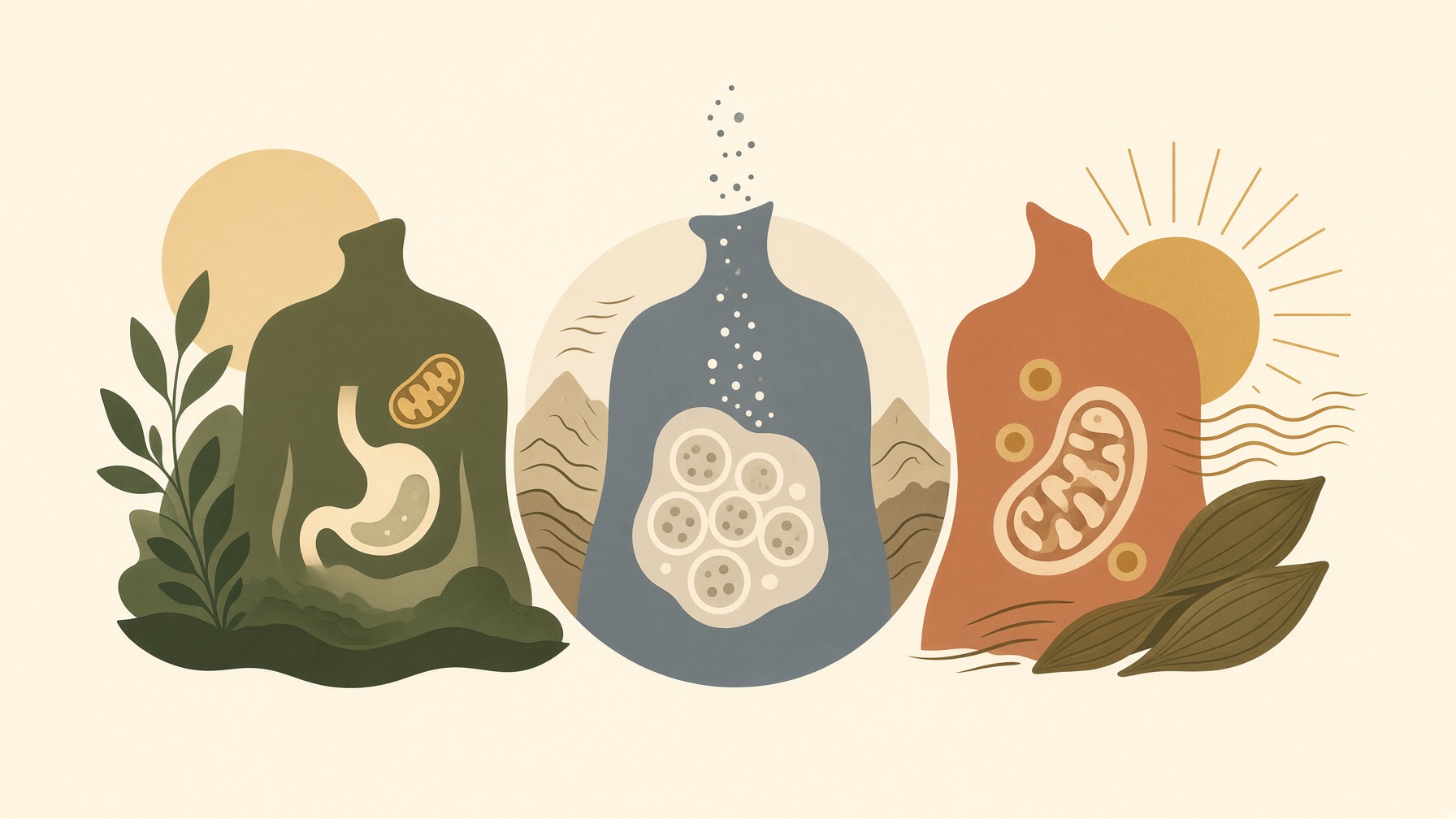
Weight change depends on energy balance, but differences in physiology and adaptation mean similar calorie changes can produce different results.
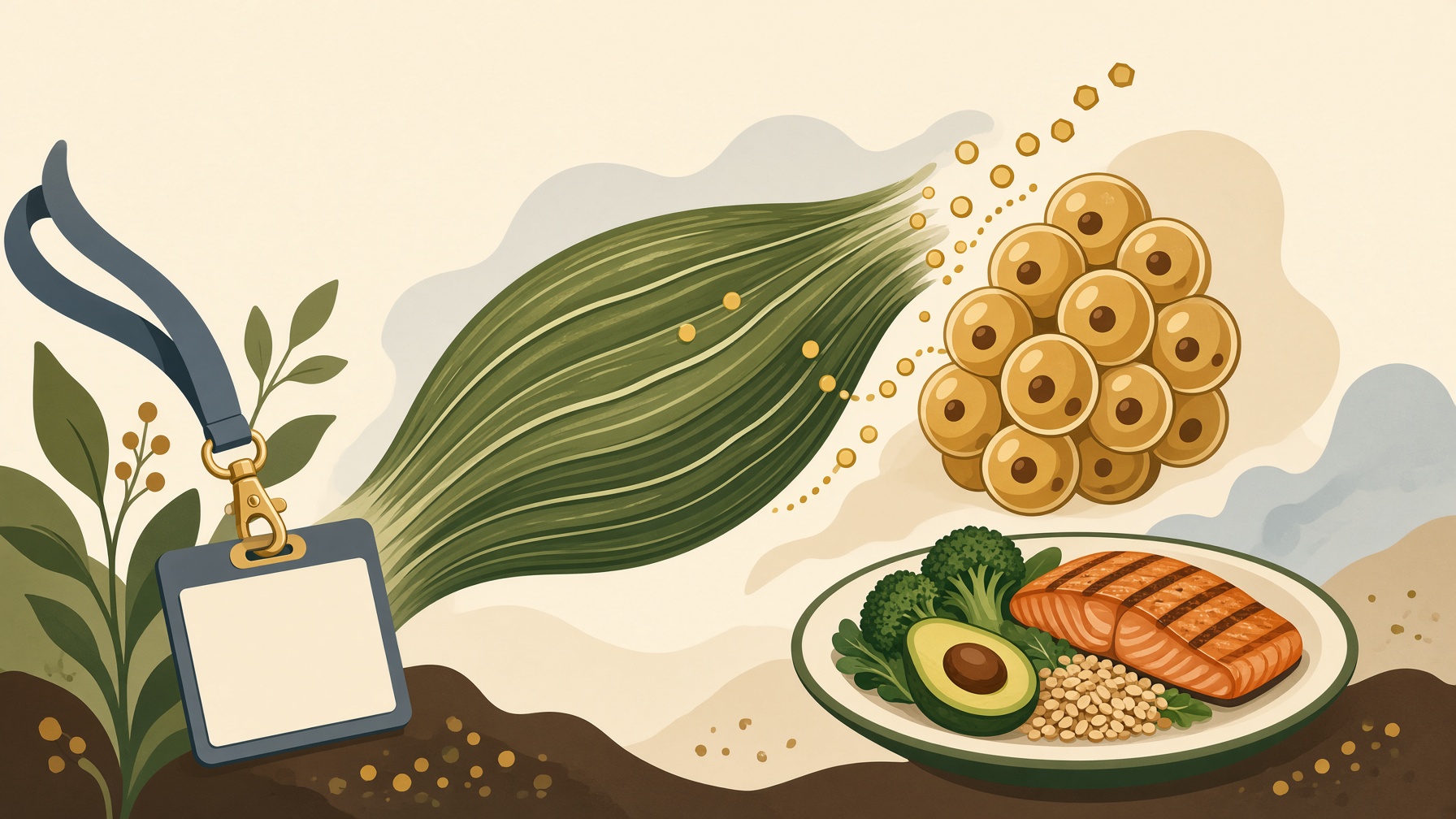
Metabolic health connects movement and nutrition through working muscles that draw in glucose and eating patterns that shape energy balance.
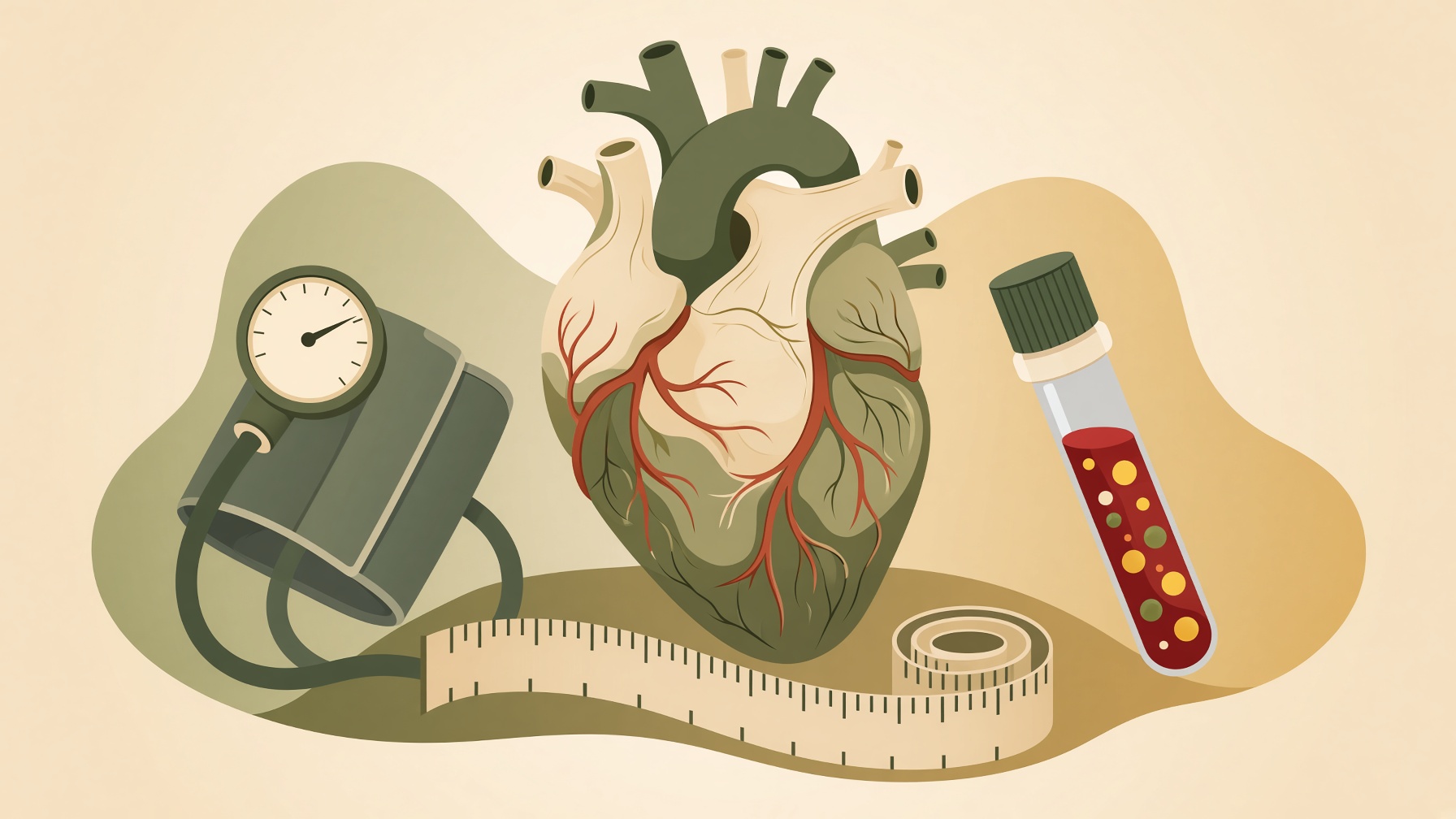
Heart health assessment combines measurements with daily behaviors because one favorable result cannot reveal or rule out every cardiovascular risk.
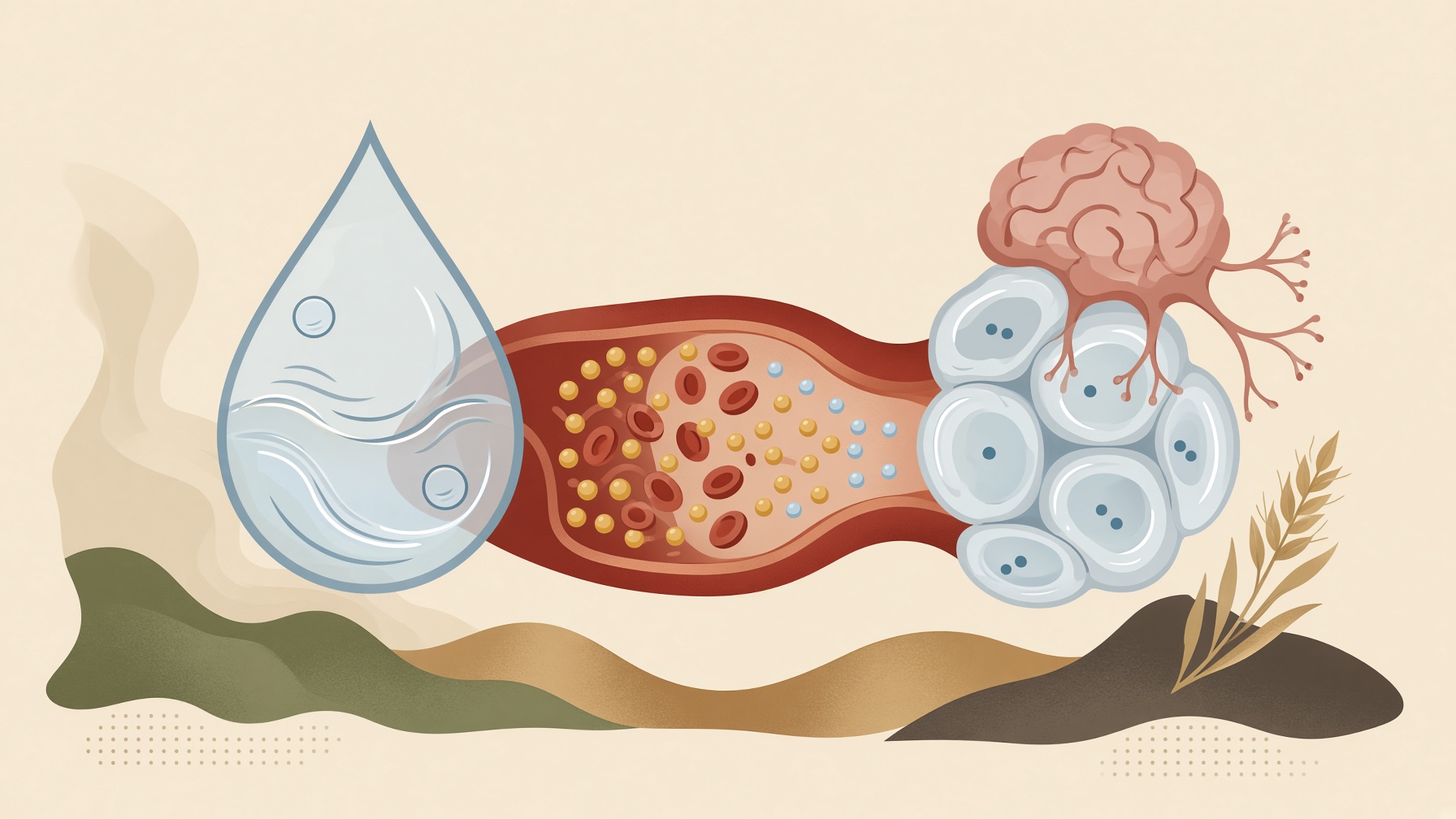
Drinking more water than the body can excrete can dilute blood sodium, drawing water into brain cells and causing dangerous swelling.
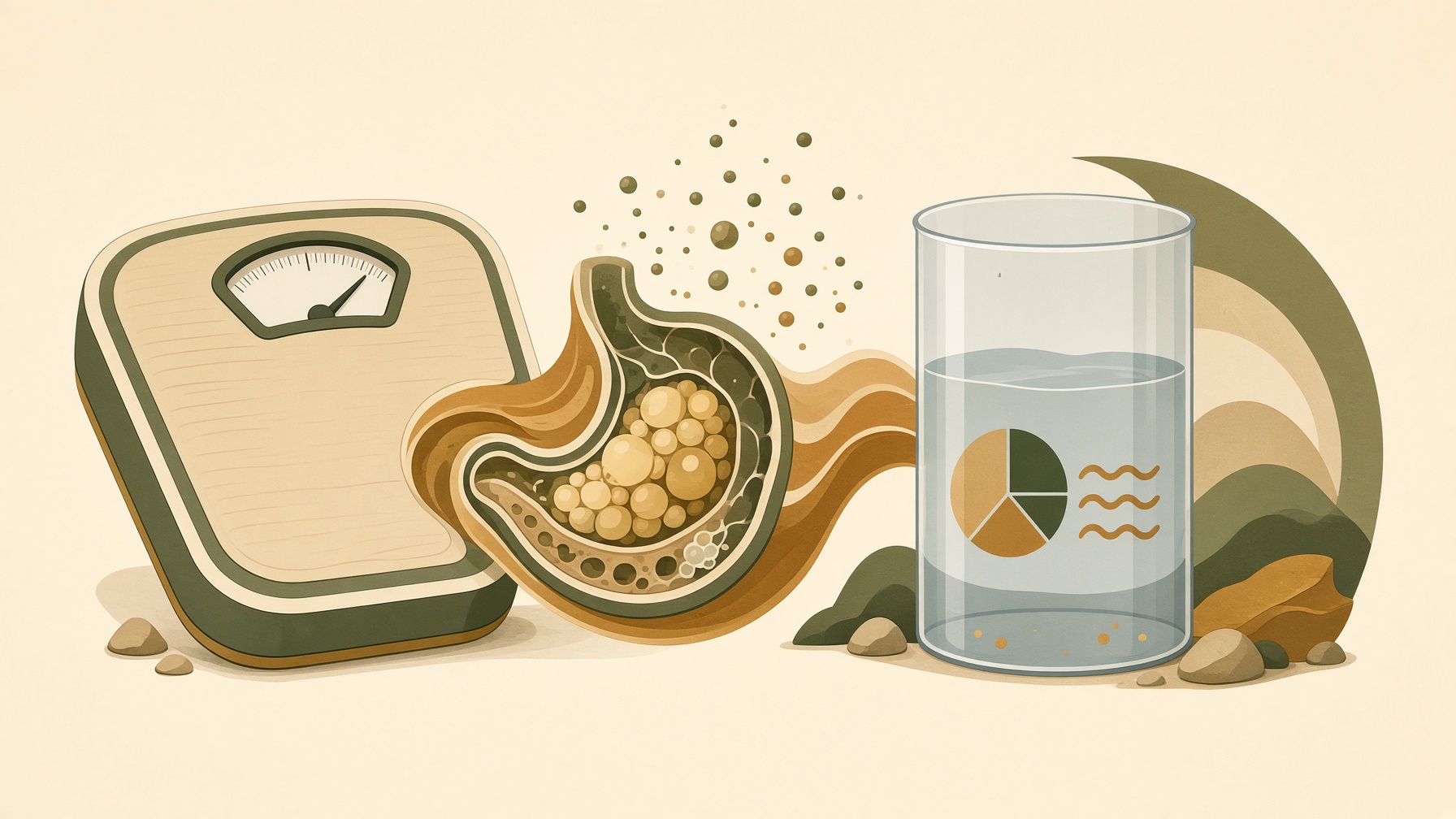
Body-fat tests estimate body composition from different physical measurements, so results depend on the method and testing conditions.
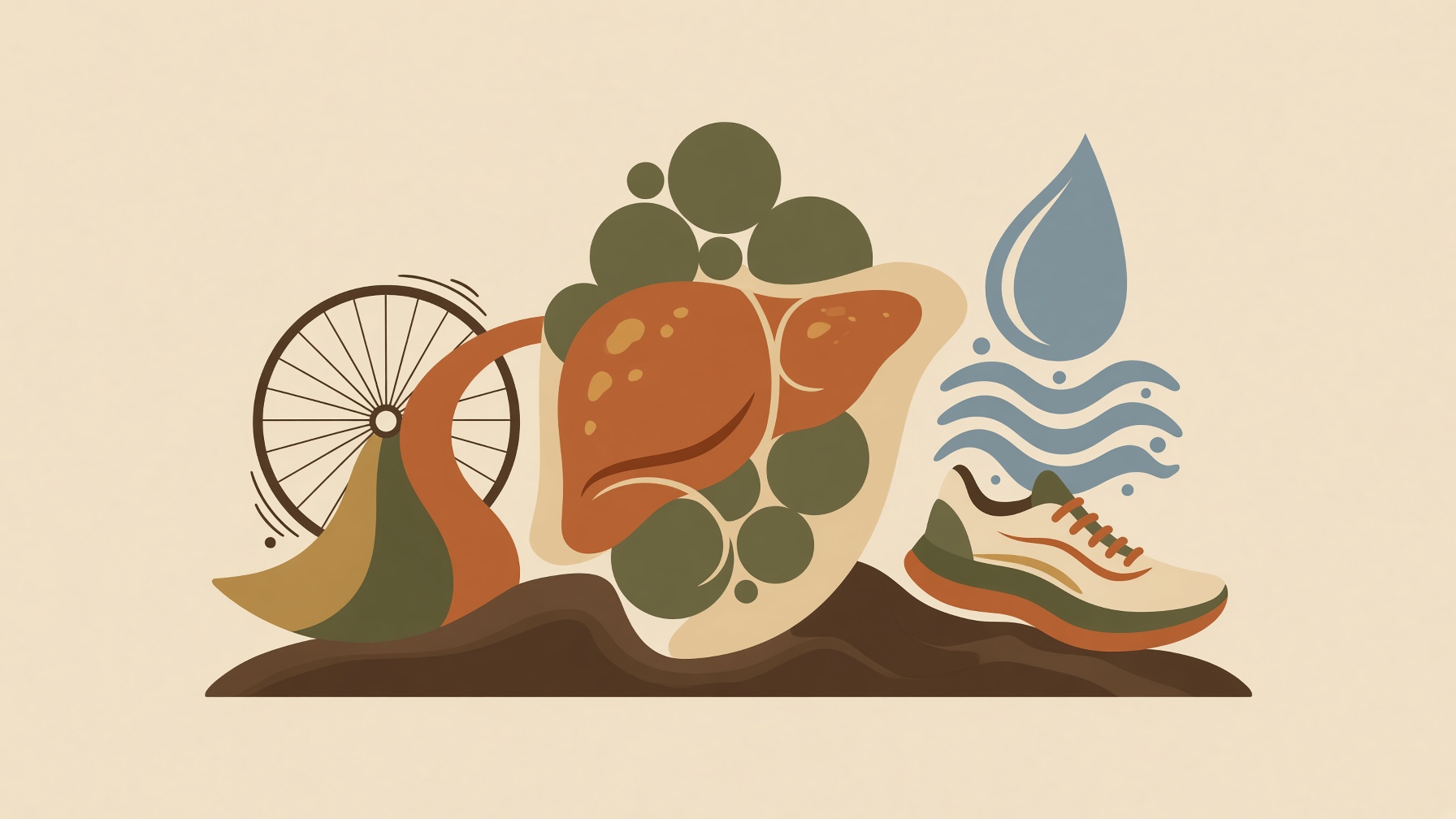
Endurance fueling matches carbohydrate and fluid intake to exercise demands, with a practiced plan that accounts for tolerance and recovery time.
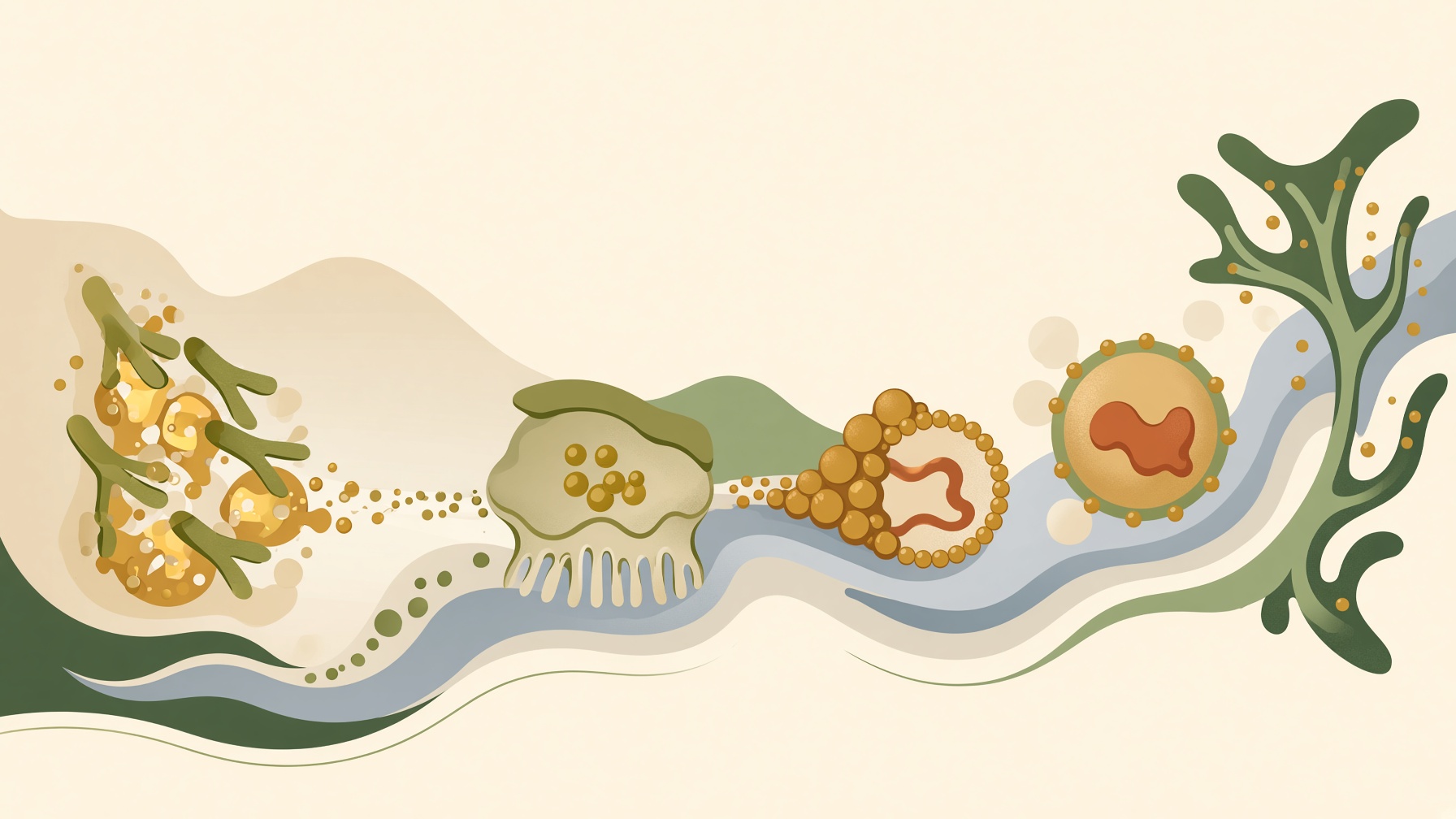
Dietary fat changes physical form during digestion and absorption so poorly water-soluble lipids can travel through the body’s watery fluids.
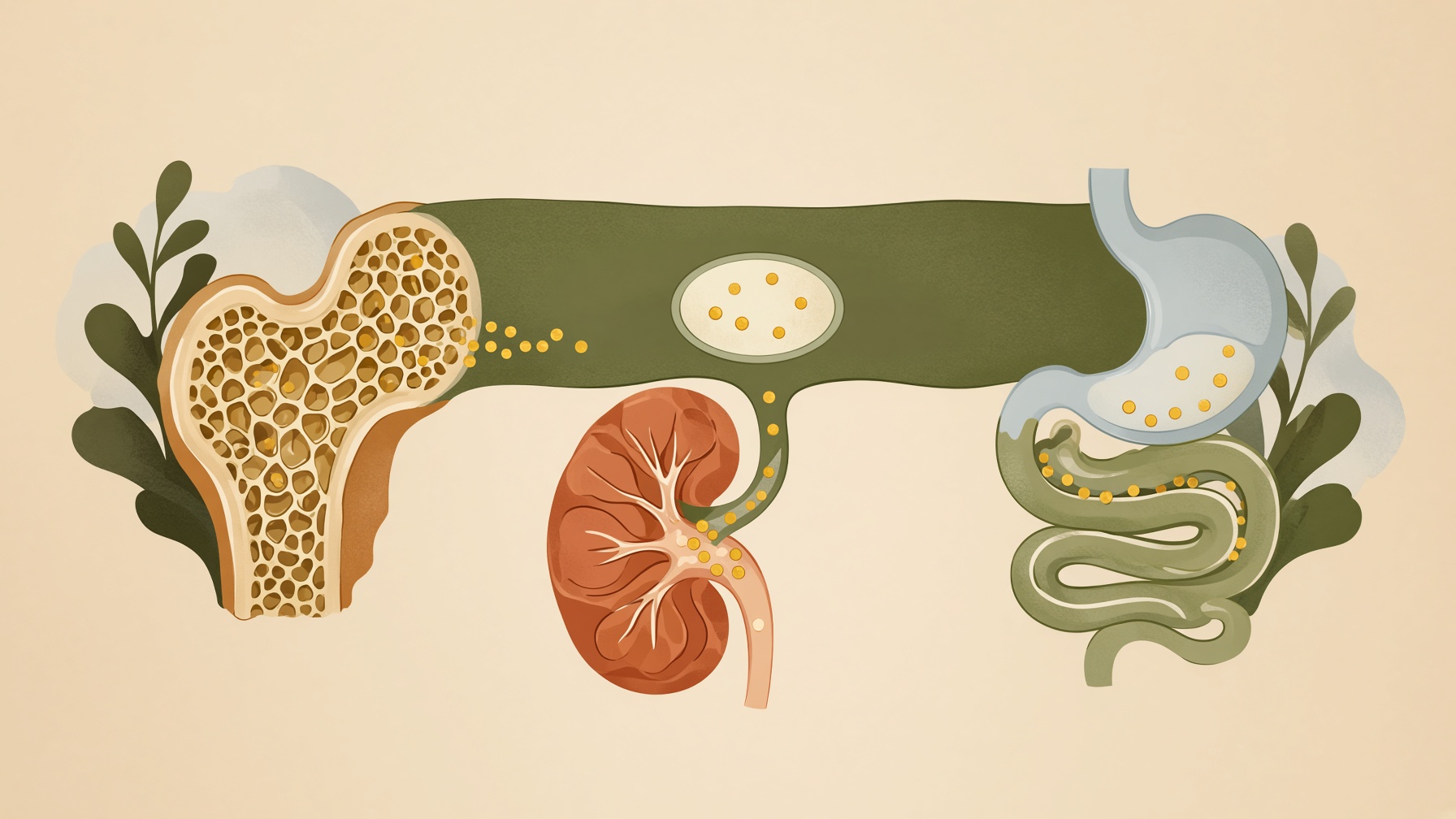
Blood calcium can stay normal even when dietary intake is inadequate because hormonal responses help protect the circulating calcium pool.
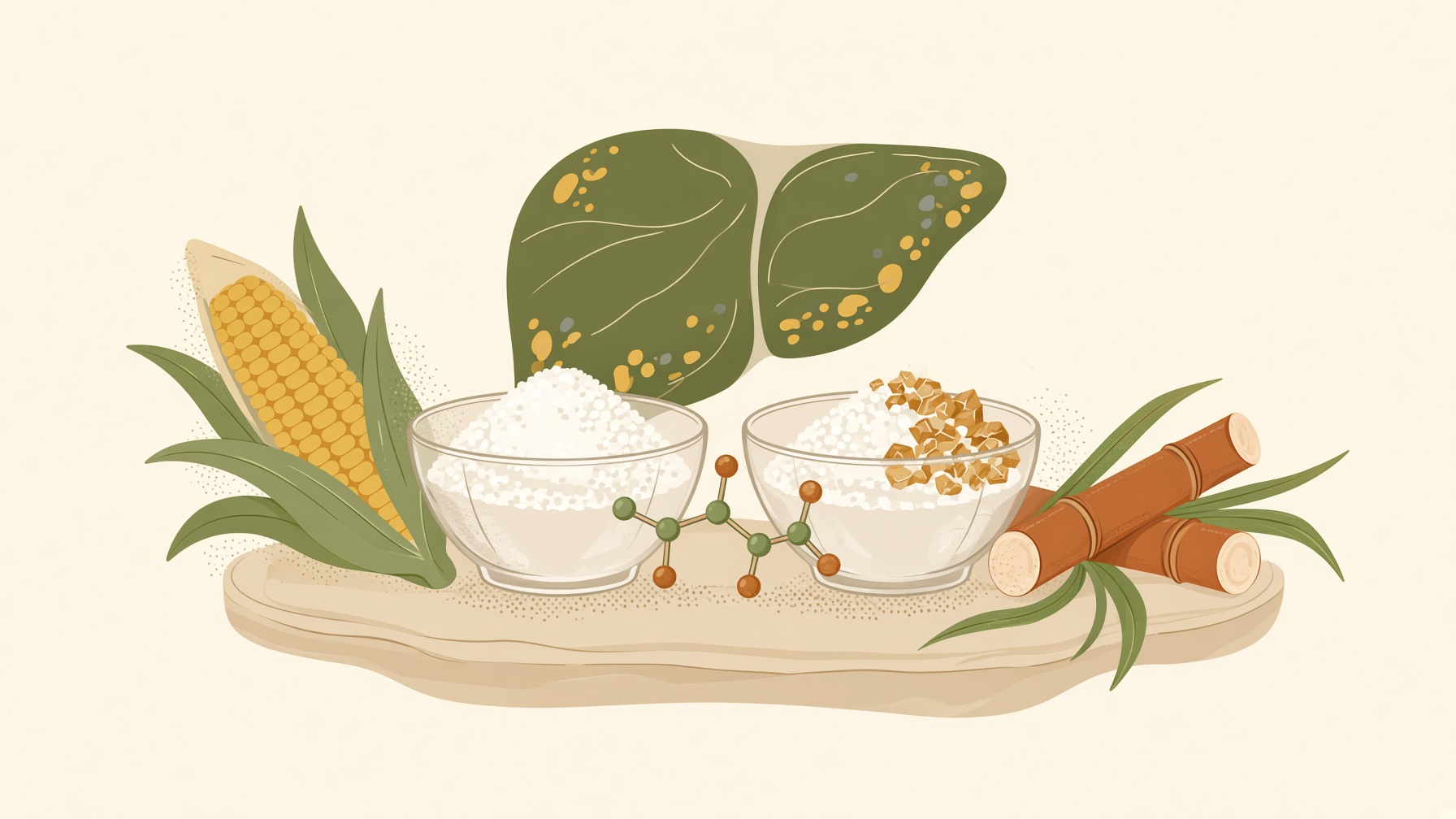
High-fructose corn syrup has not consistently caused greater weight gain than sucrose when calorie intake is comparable in controlled studies.
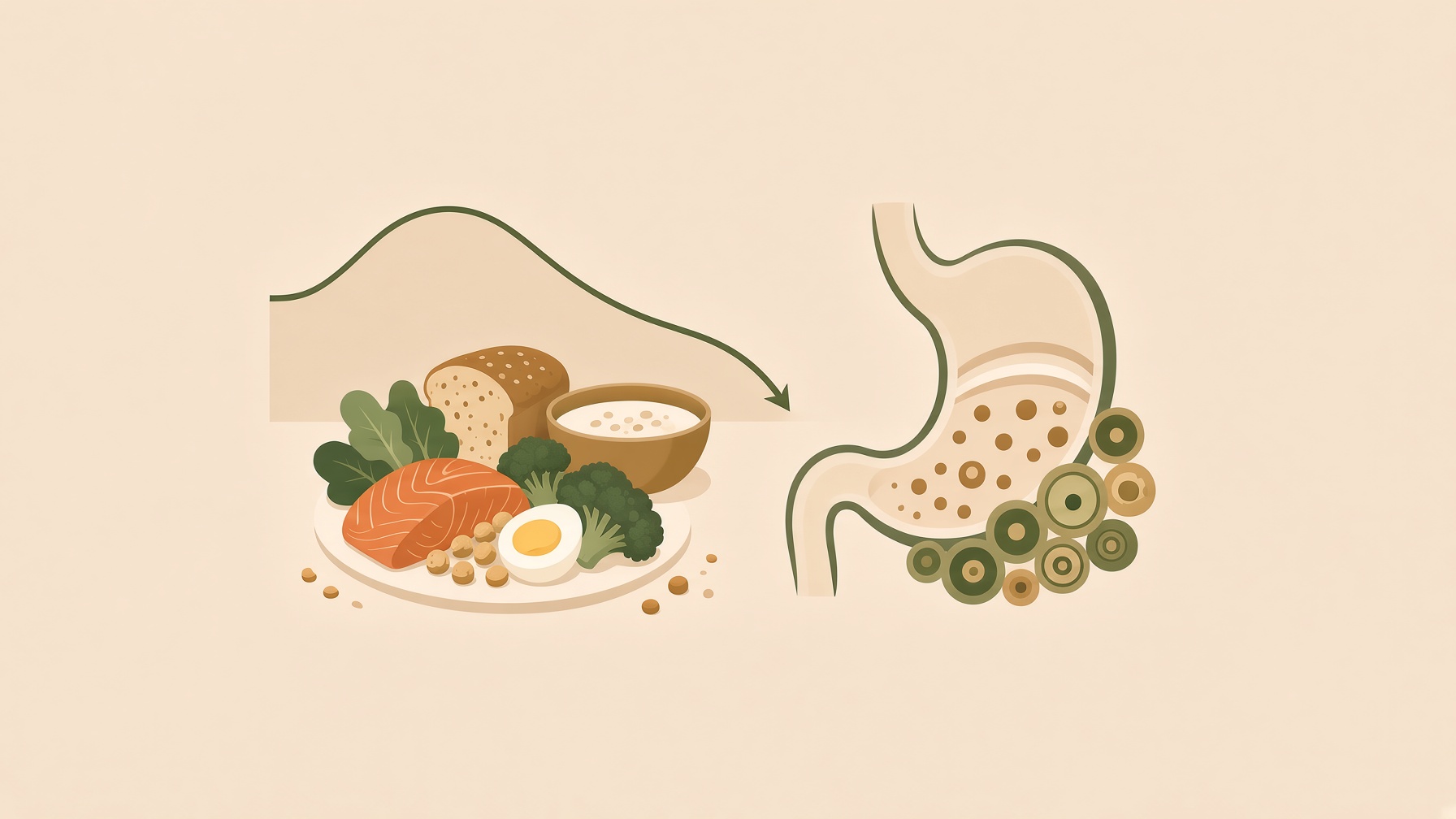
Appetite loss in older adults can push food intake below energy needs, increasing the risk of unintended weight loss even as calorie needs decline.
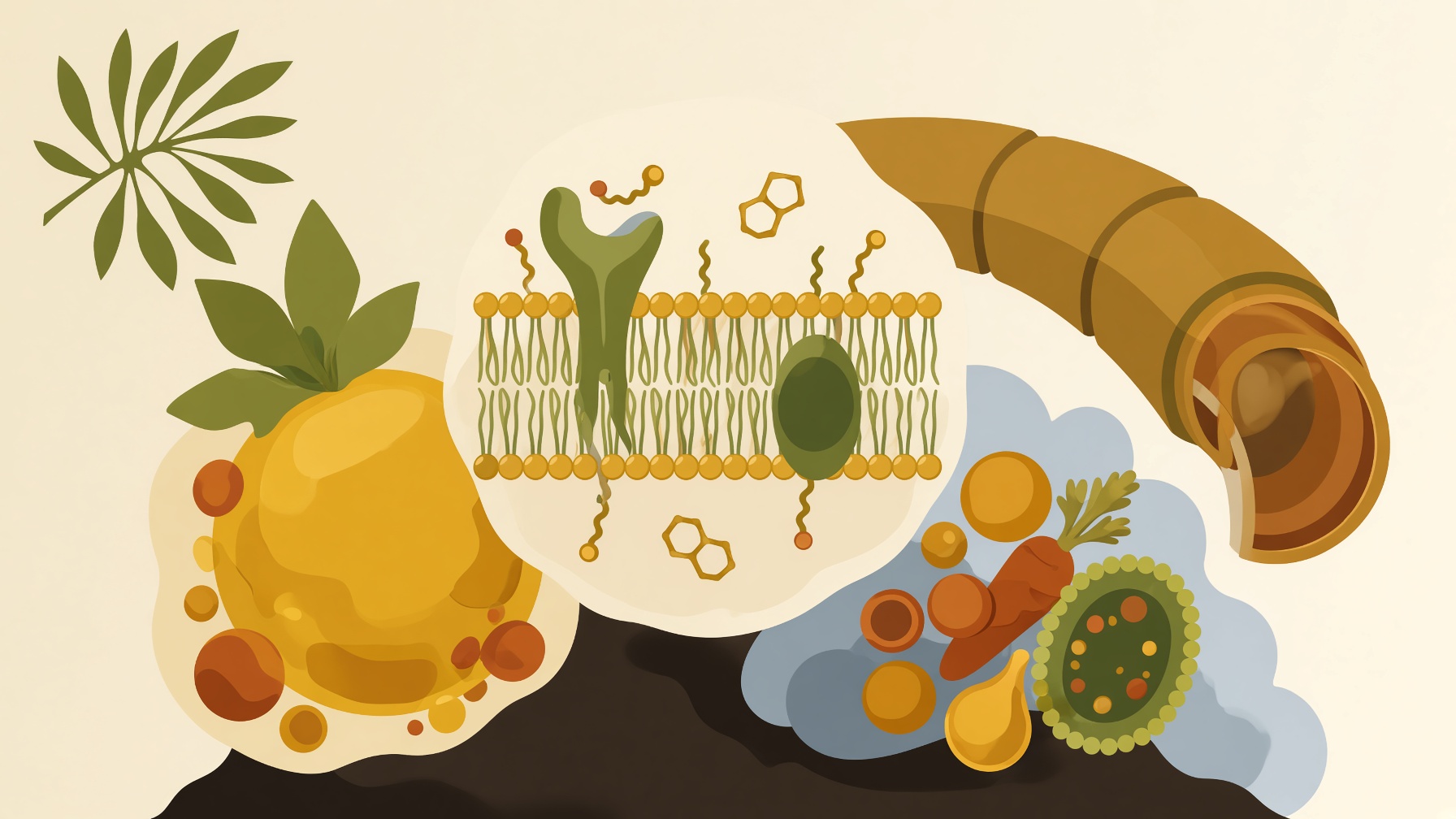
Lipids do more than store energy, with different forms serving essential roles in the structures and signals that keep the body working.