
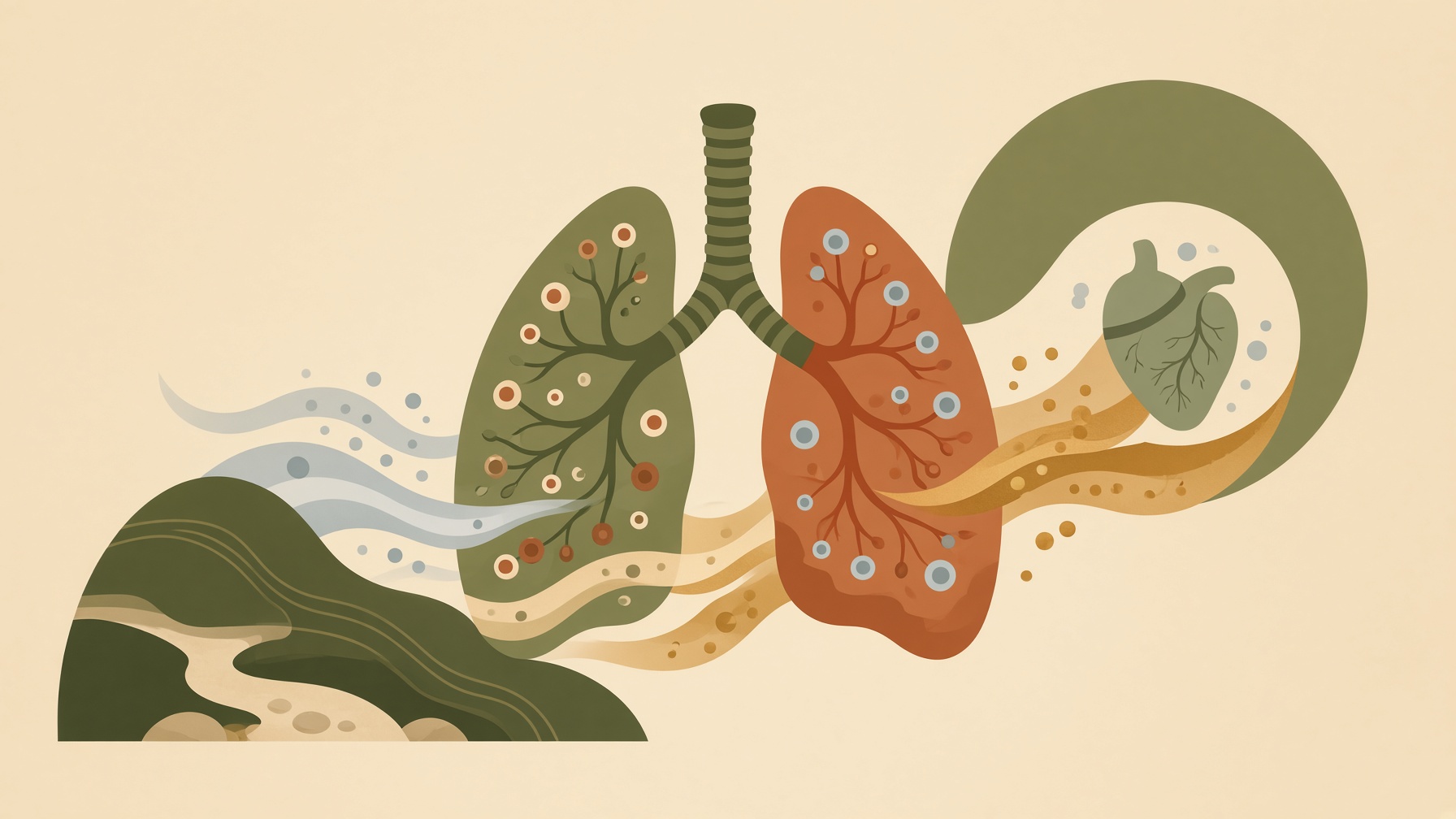
How Aerobic Exercise Helps Your Body Use Oxygen
Aerobic training improves oxygen transport and use through changes across the cardiovascular system and muscles, rather than one adaptation alone.
219 articles in this view
Current selection
219 results
Aerobic training improves oxygen transport and use through changes across the cardiovascular system and muscles, rather than one adaptation alone.
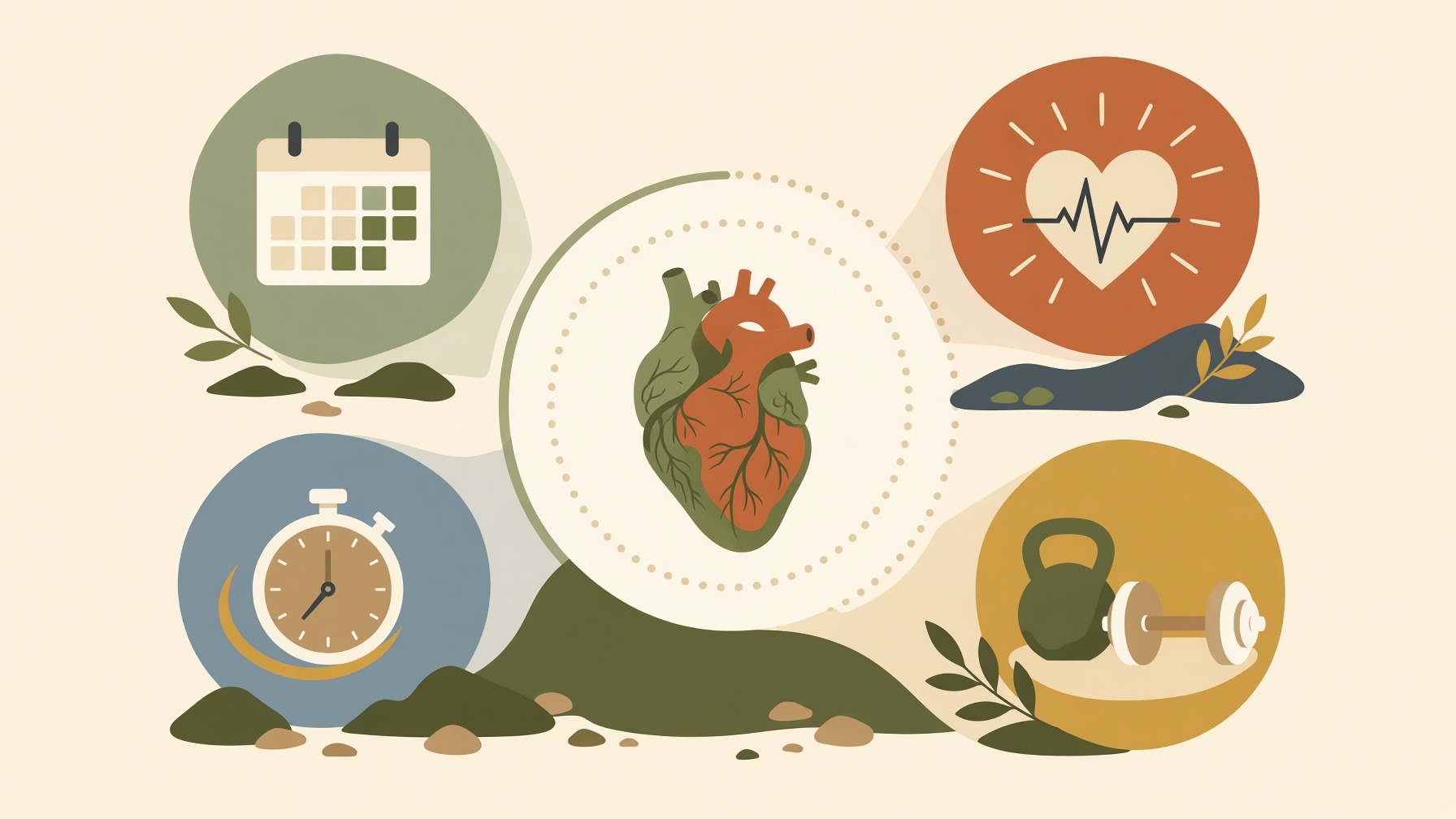
The FITT framework organizes exercise planning around four adjustable variables, helping match the training stimulus to individual goals.
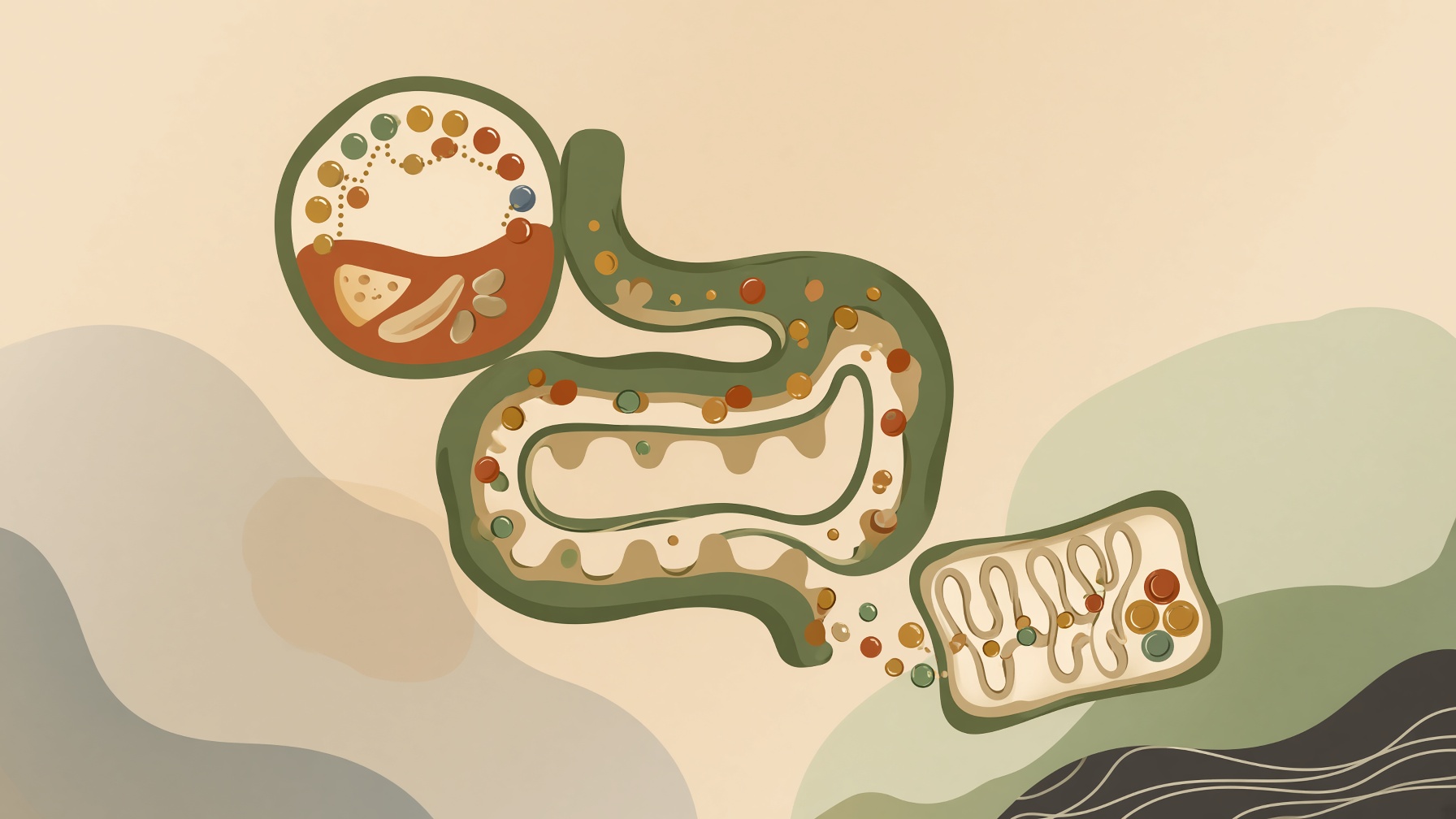
Protein quality depends on the proportions of essential amino acids and their digestibility, beyond whether a food contains all nine.
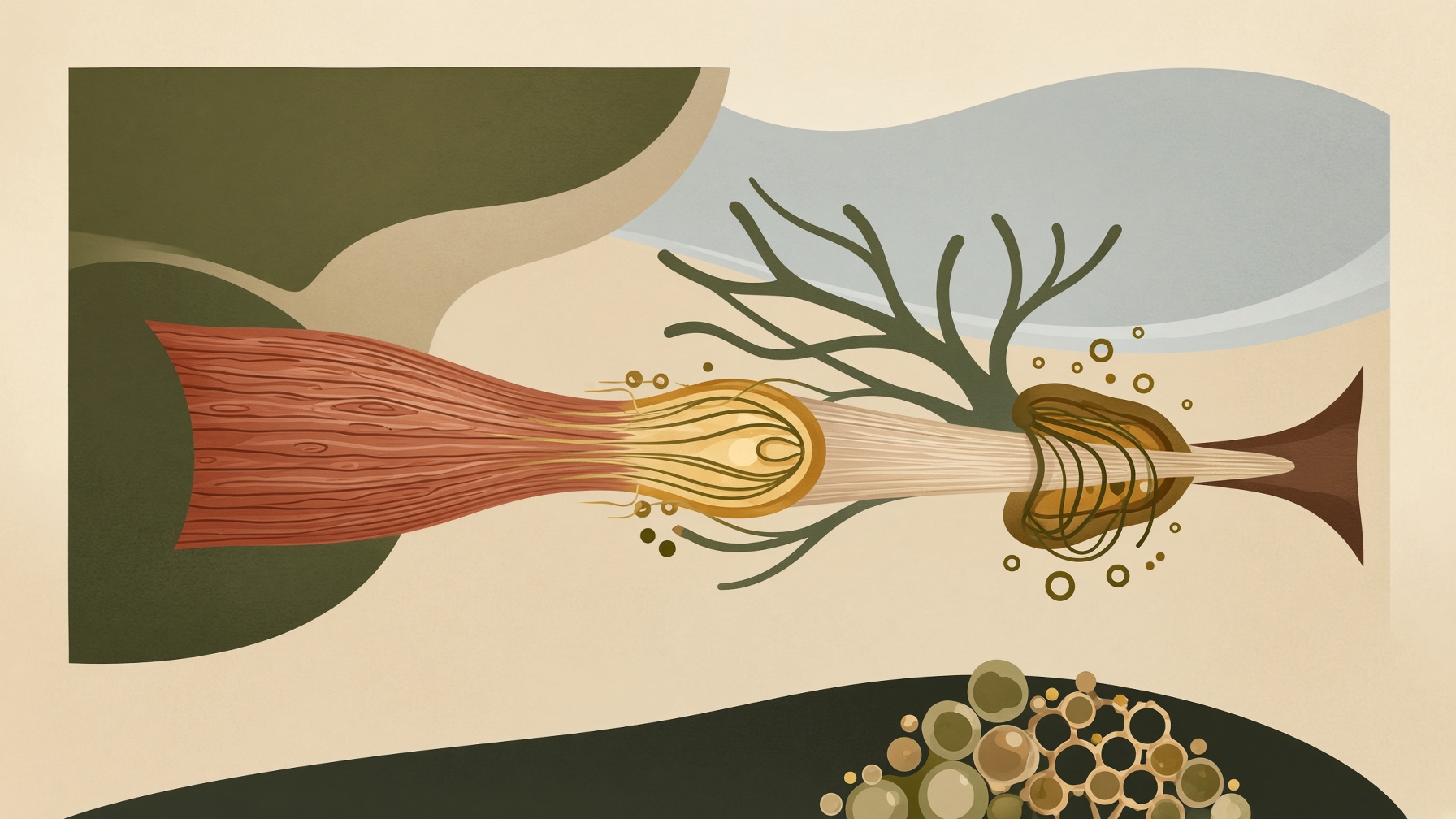
Muscle spindles sense changes in length while Golgi tendon organs track tension, providing feedback that helps the nervous system adjust movement.
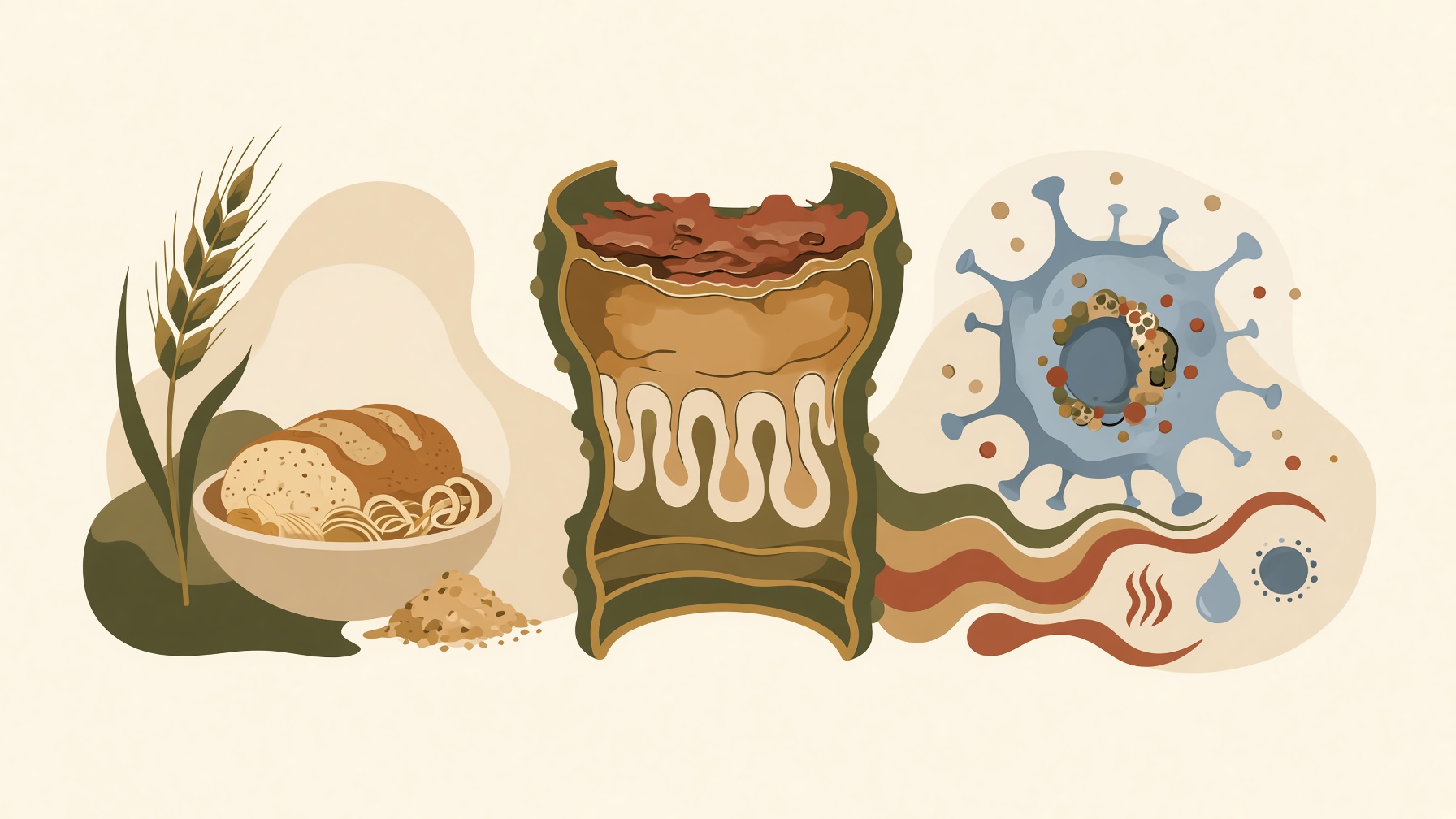
Celiac disease causes gluten-triggered autoimmune damage to the small intestine, a different immune process from the reactions behind food allergy.
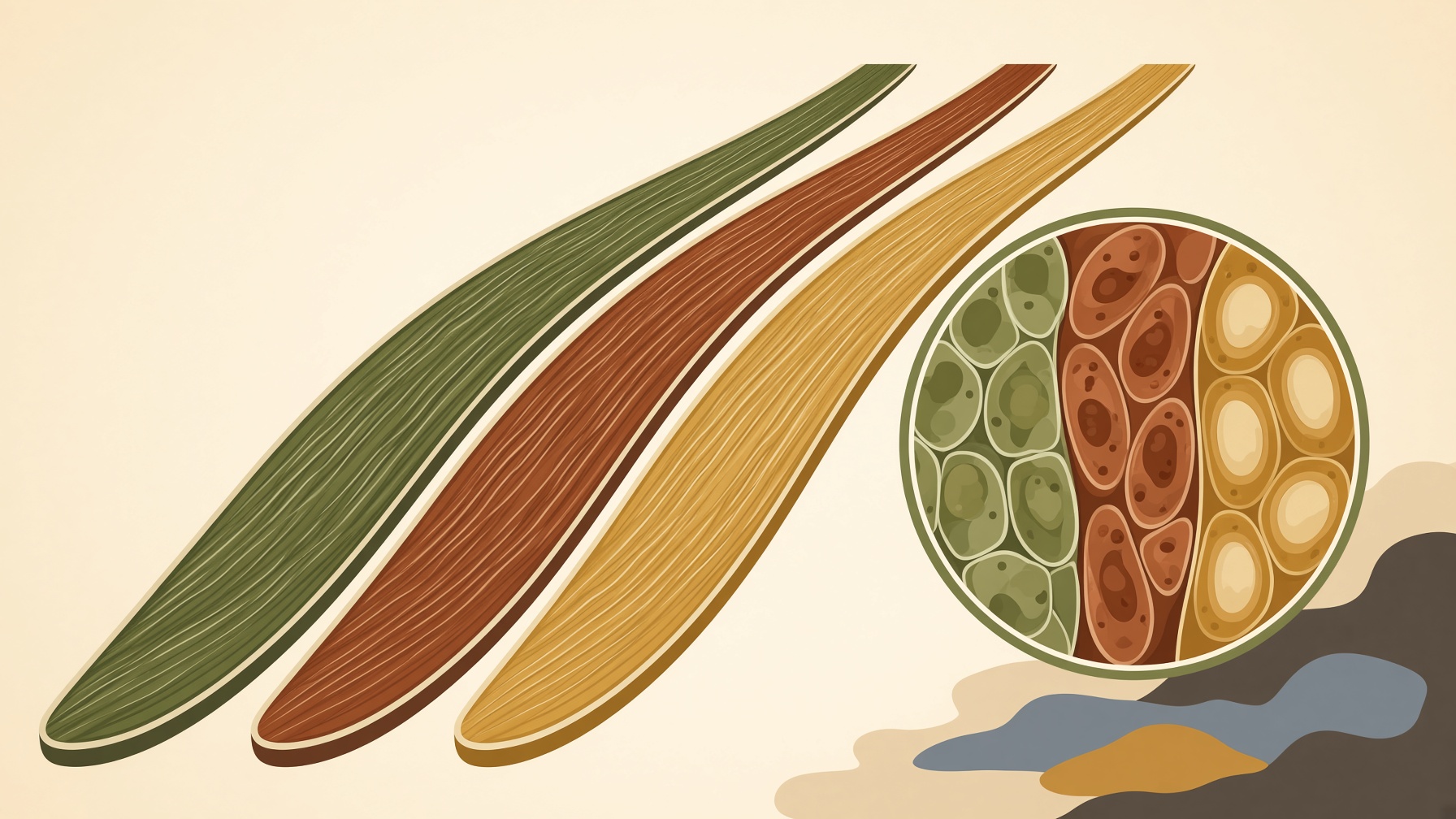
Muscle fibers differ in contraction speed and energy supply, making some better suited to sustained effort and others to rapid, powerful work.
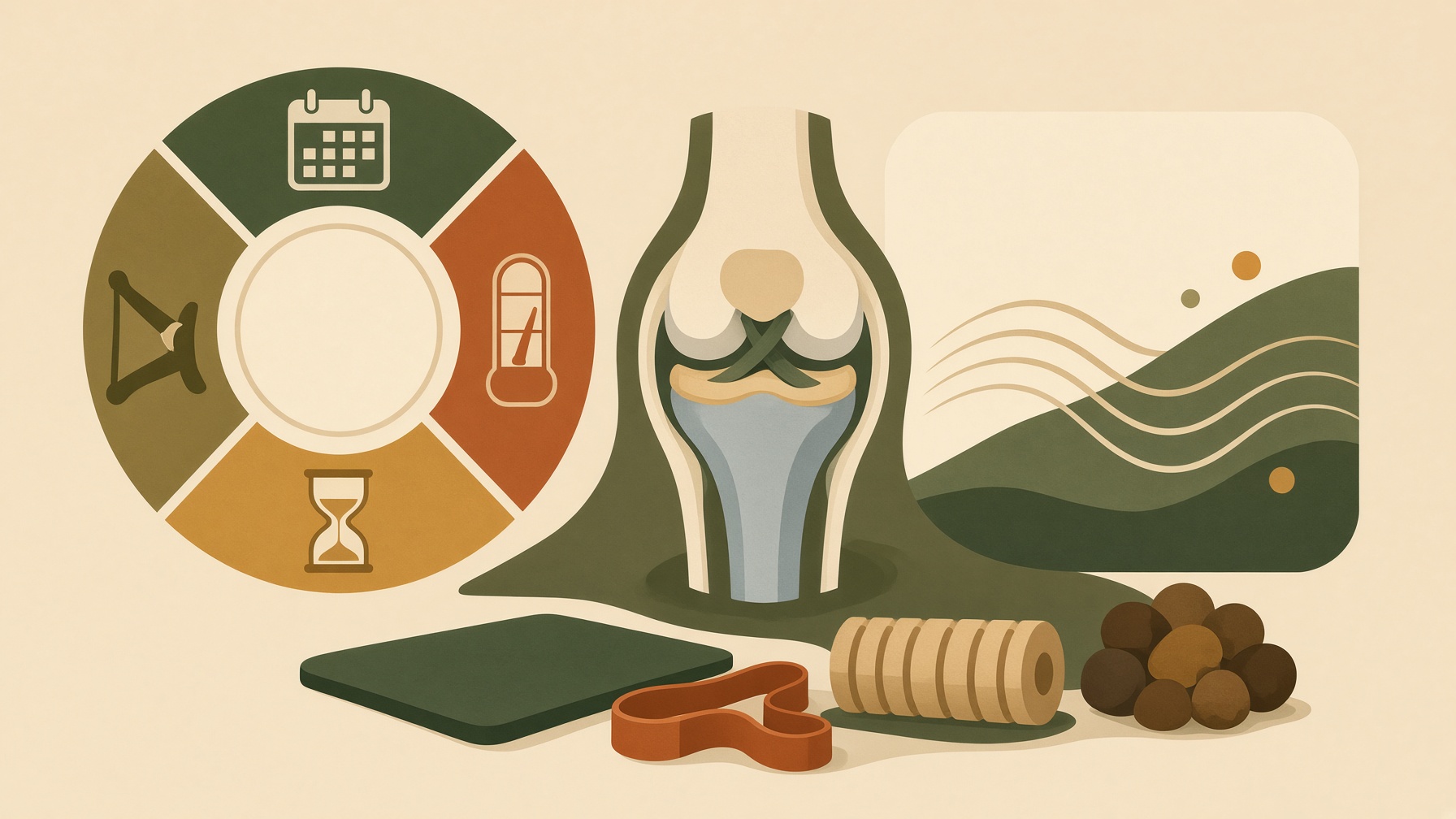
A flexibility routine uses the FITT framework to organize stretching around useful movement goals, with technique and dose suited to the person.
Blood-test results provide evidence about health, but a number’s meaning depends on the test and the circumstances surrounding the measurement.

Carbohydrate loading raises muscle glycogen before prolonged endurance events, helping sustain performance when carbohydrate supplies become limiting.
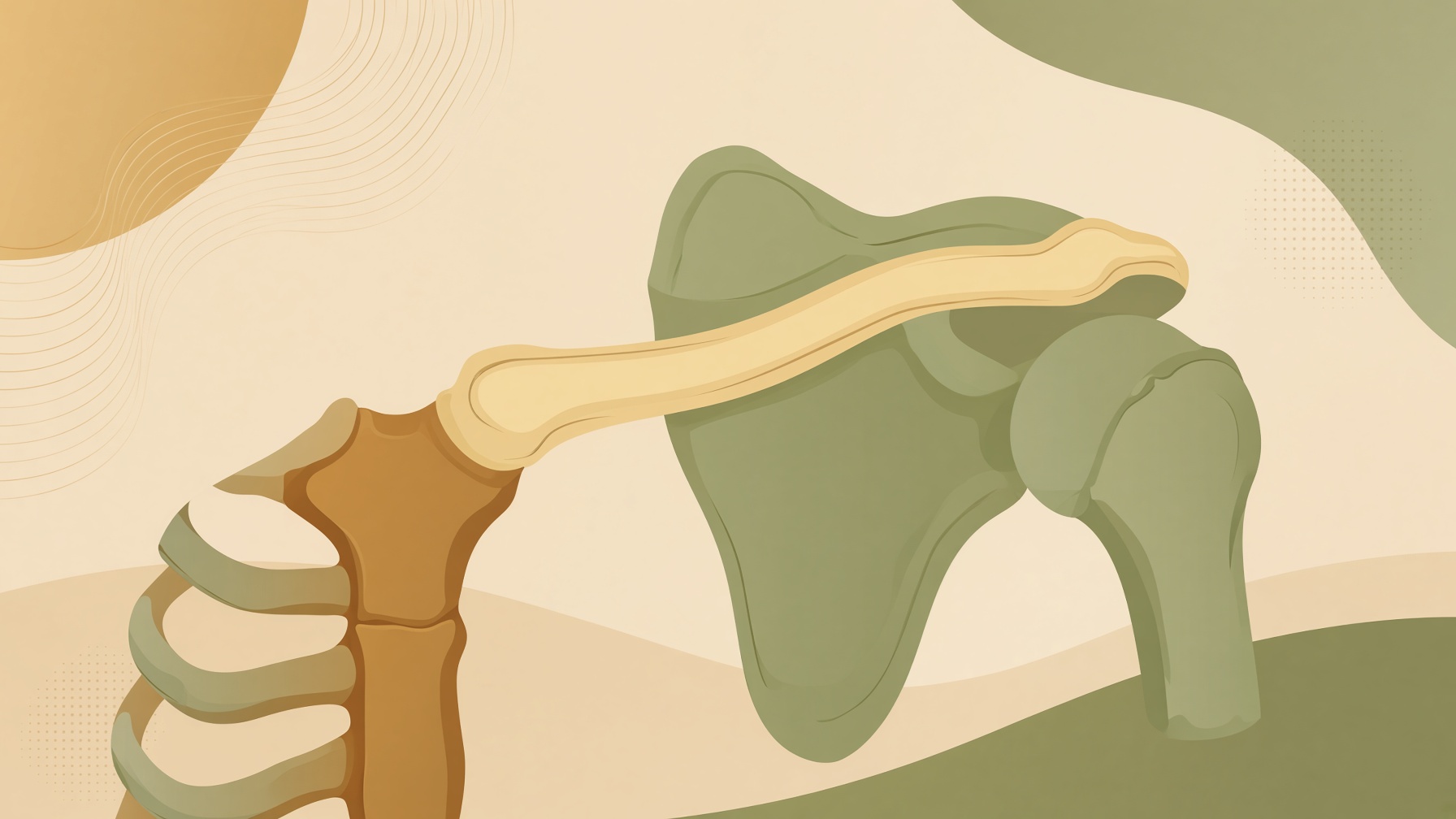
The collarbone holds the shoulder away from the trunk while connecting the pectoral girdle to the skeleton, giving the upper limb room to move.

Caffeine blocks adenosine signaling in the brain to reduce sleepiness, but feeling more alert does not remove the biological need for sleep.

A sustainable exercise plan starts with manageable demands and adapts to everyday barriers, giving continued participation room to survive disruptions.