
How to Build an Exercise Plan You Can Stick With
A sustainable exercise plan starts with manageable demands and adapts to everyday barriers, giving continued participation room to survive disruptions.
Newest first
The newest work from the Alpekin Journal, in publication order.
A sustainable exercise plan starts with manageable demands and adapts to everyday barriers, giving continued participation room to survive disruptions.
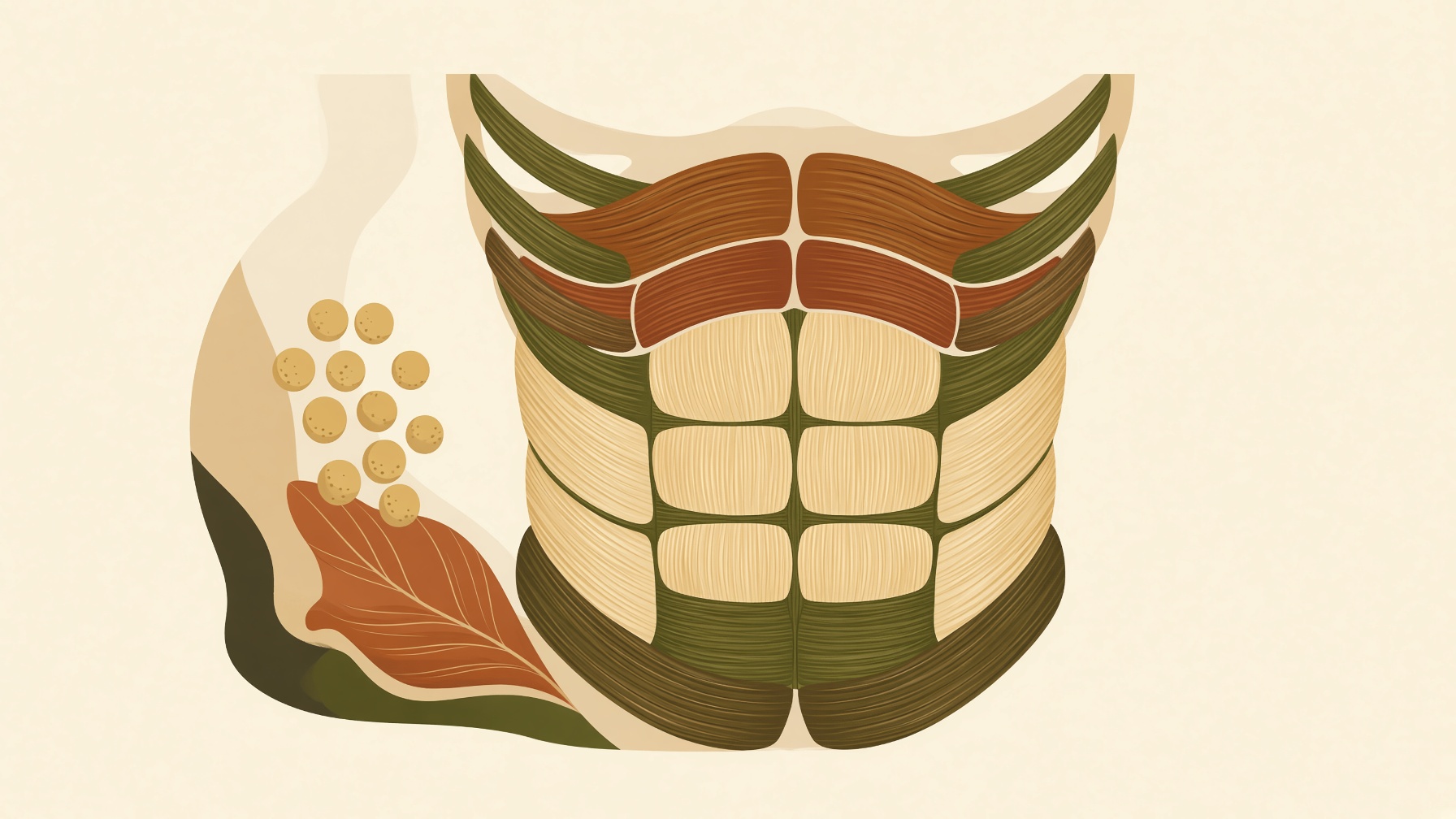
Abdominal muscles form layers with different fiber directions, making the visible six-pack only one part of the anatomy that supports the trunk.
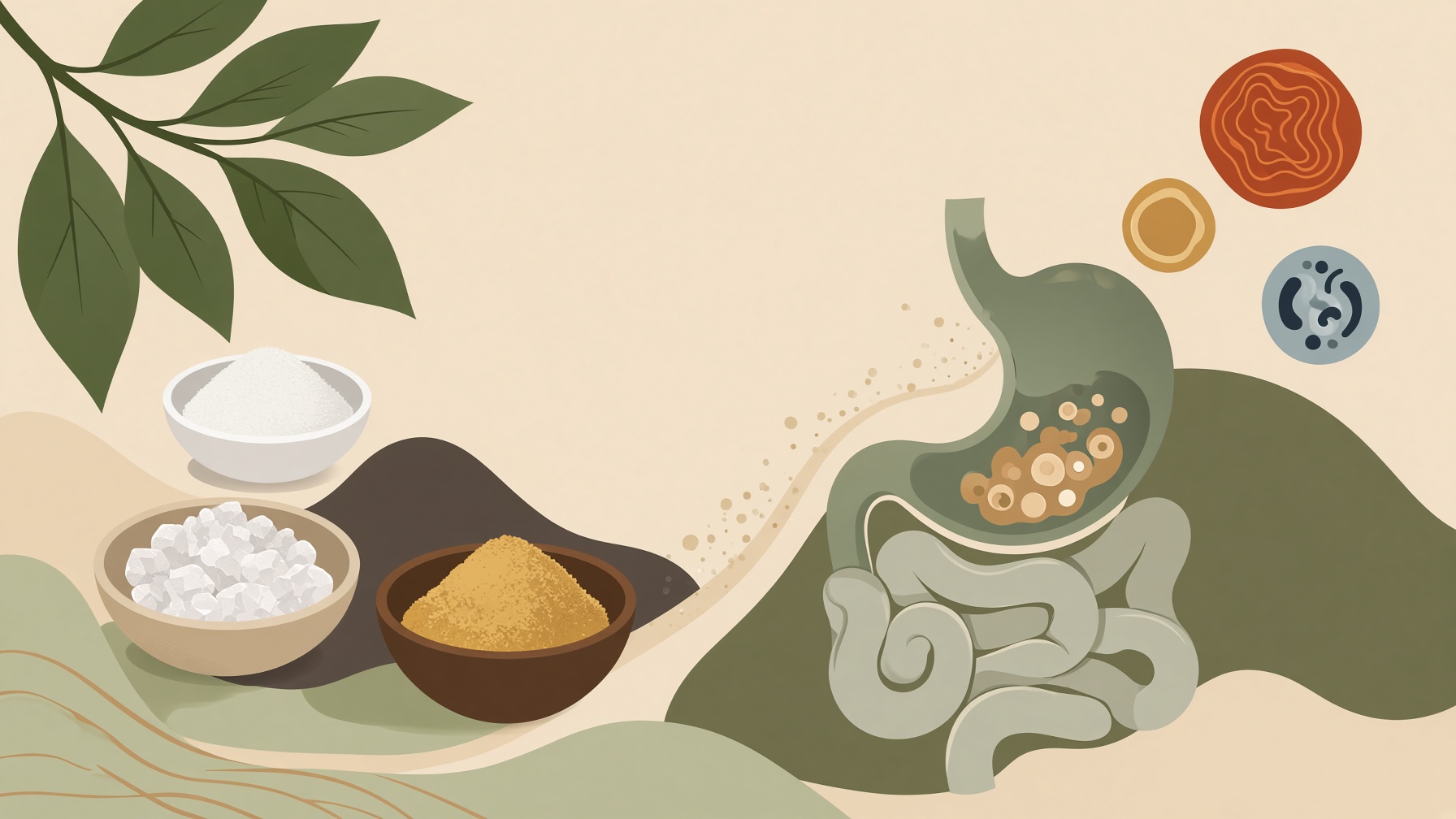
Sugar substitutes share a sweet taste, but individual compounds differ in how the body handles them and in their practical health considerations.
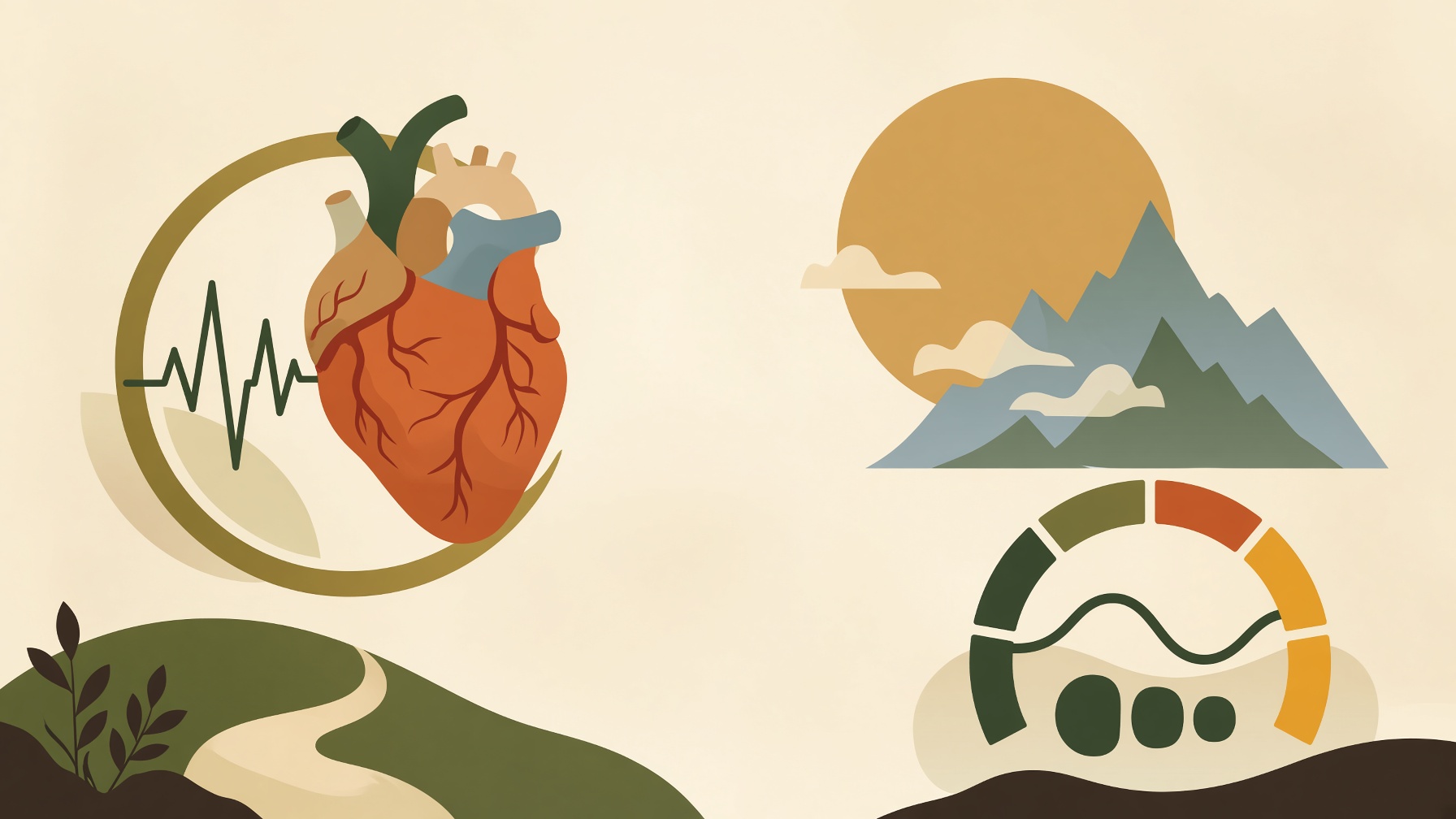
Heart rate can help gauge aerobic exercise intensity, but the meaning of a reading depends on the person and the conditions of the workout.

Older adults may need fewer calories while still needing nutrient-rich foods, making adequate nutrition within a smaller intake more challenging.
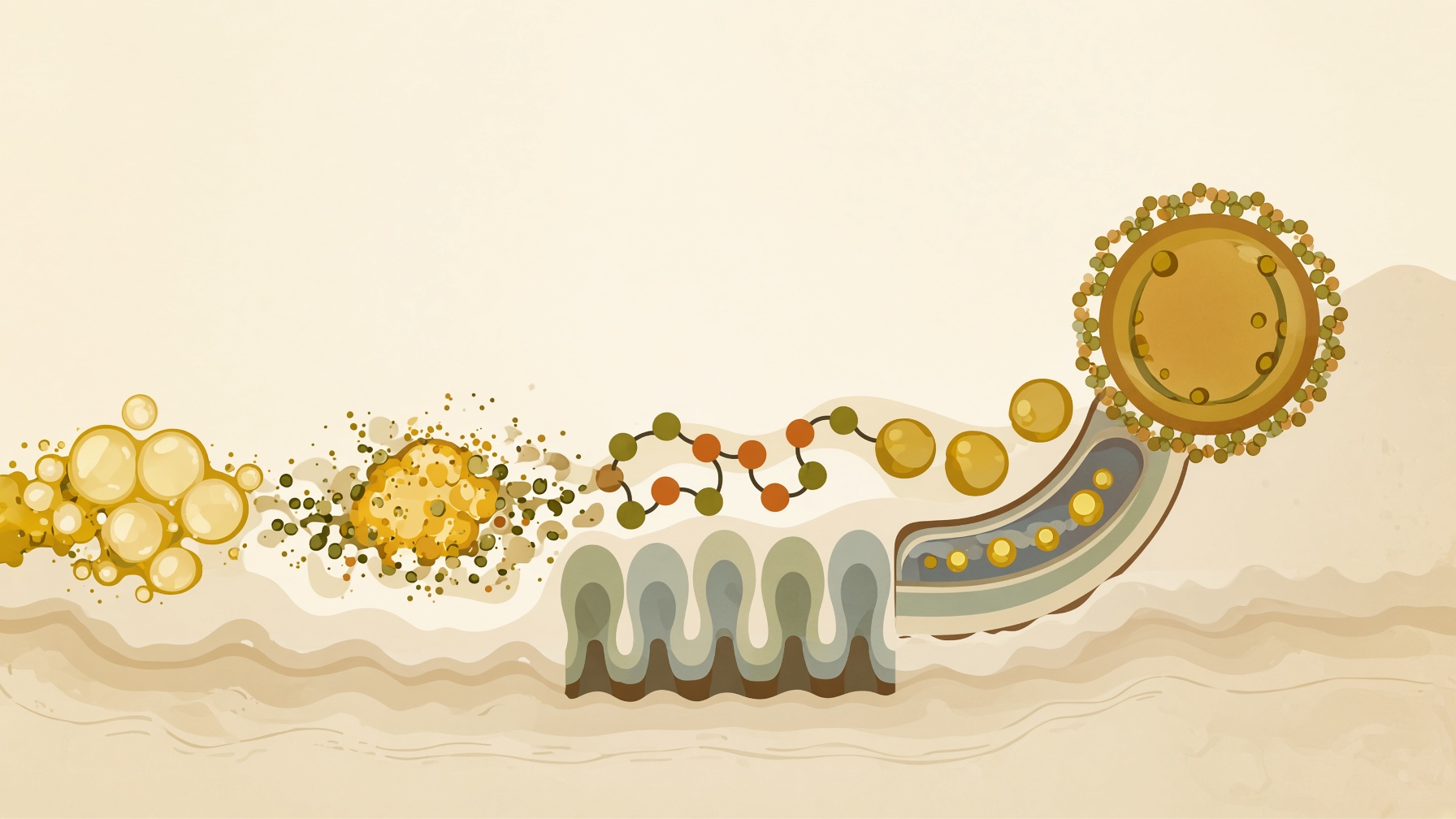
Dietary fat digestion combines physical dispersal by bile salts with enzyme breakdown, producing lipid components that intestinal cells can absorb.
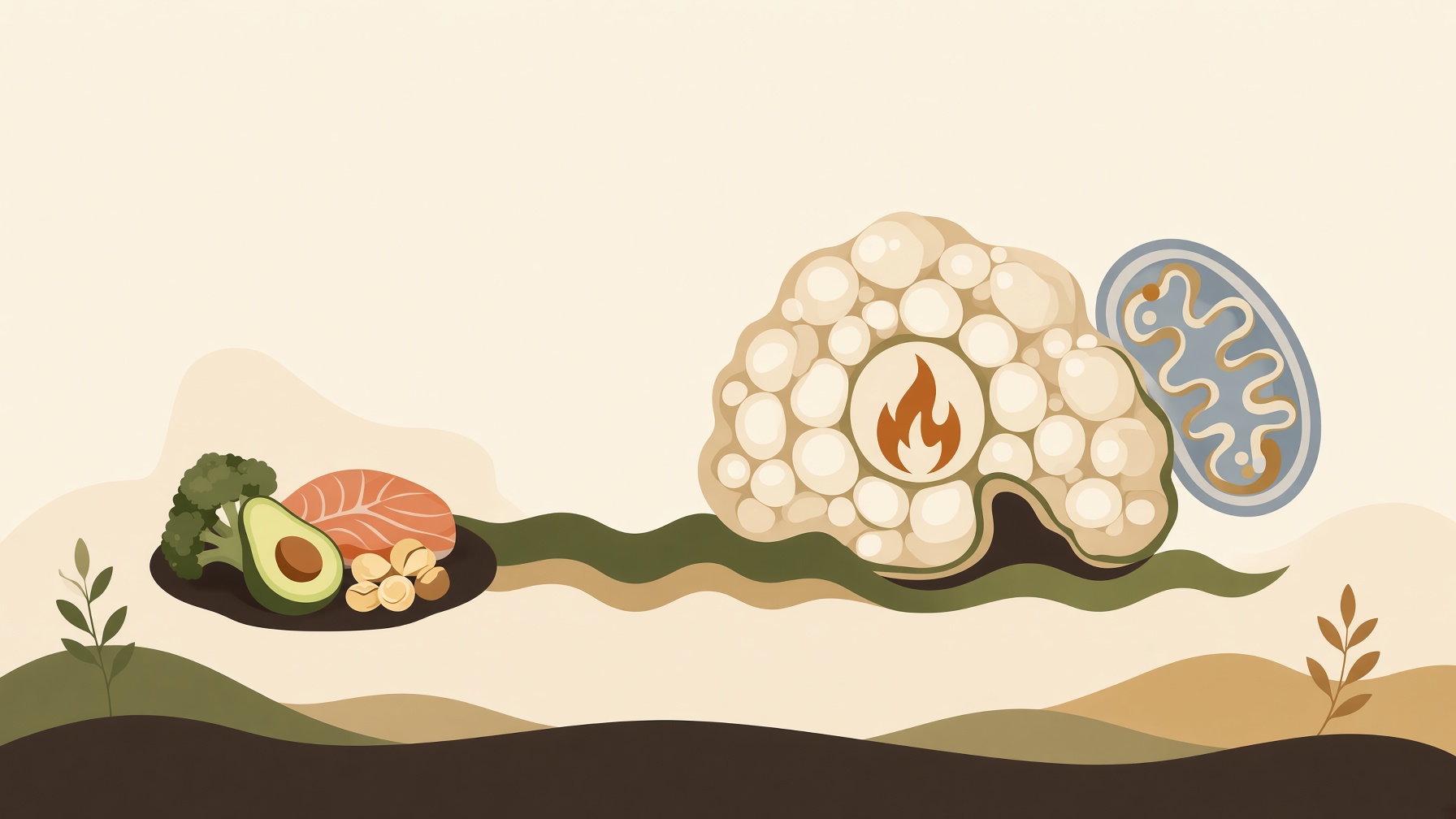
Low-carbohydrate diets can increase fat burning, but losing stored body fat still requires an energy deficit sustained over time.
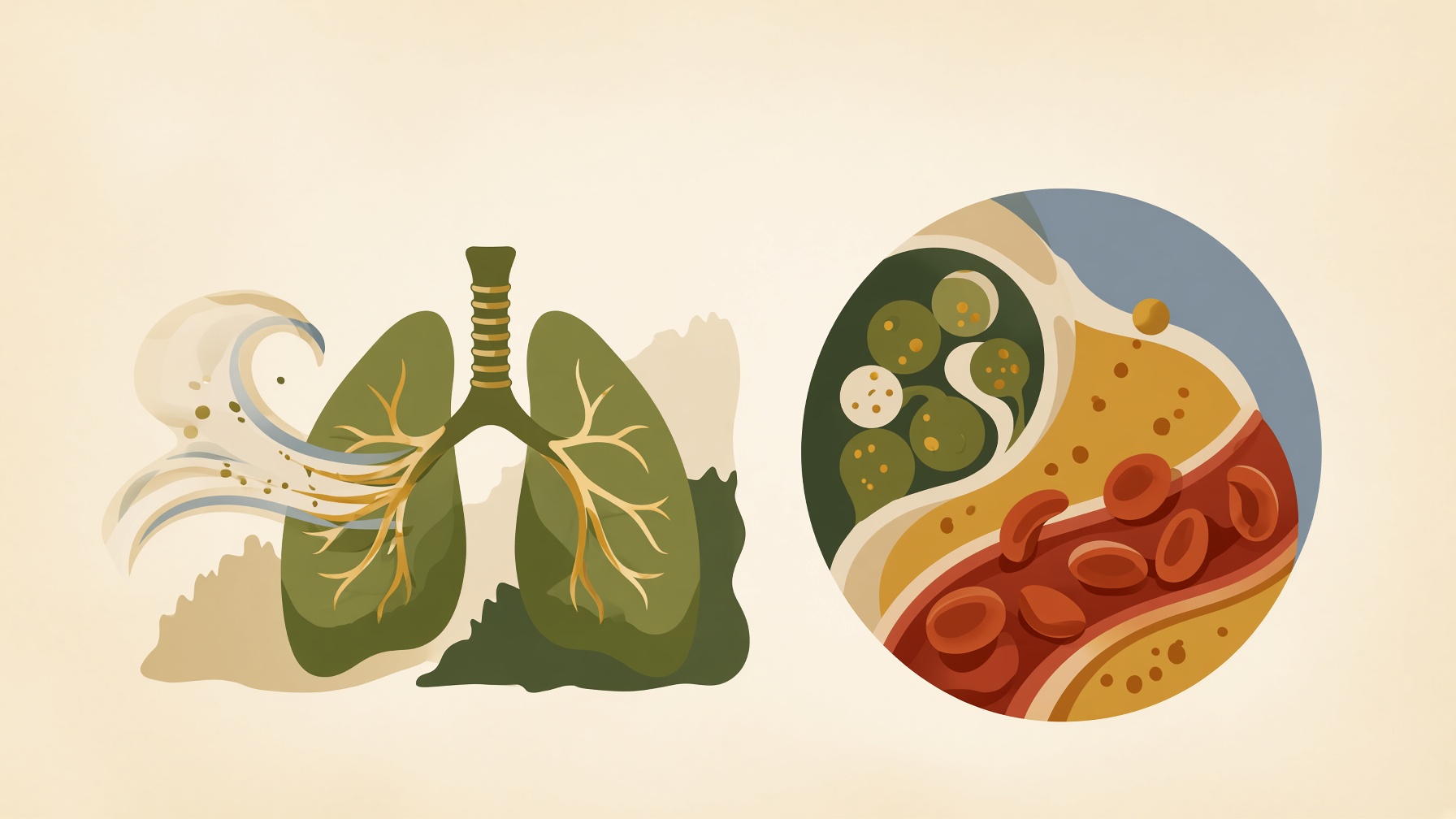
Heavy breathing during exercise can match normal metabolic demand, while hyperventilation exceeds the ventilation needed to remove carbon dioxide.
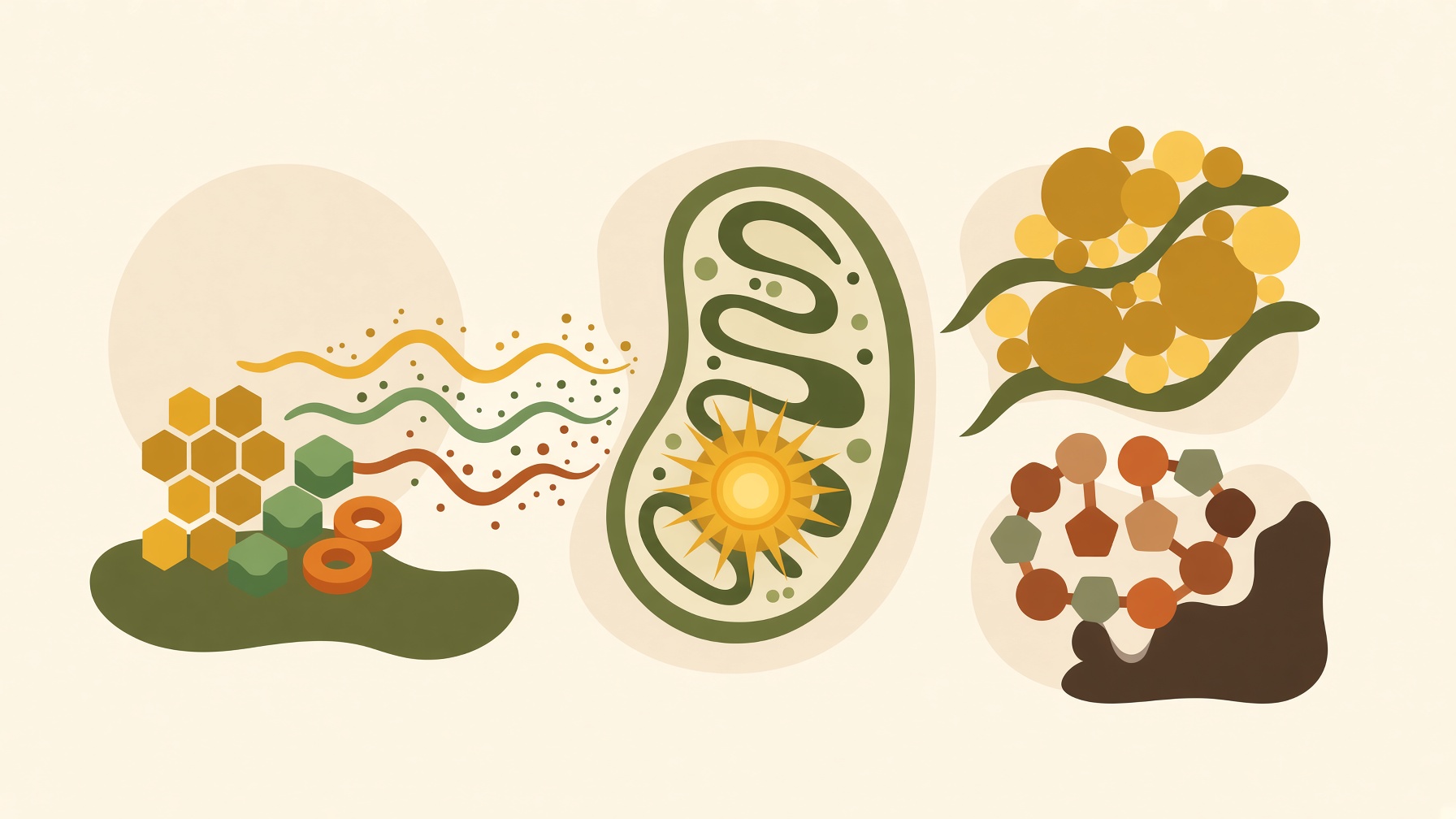
Macronutrients provide different metabolic options after digestion, so carbohydrate, protein, and fat do not serve interchangeable roles in the body.
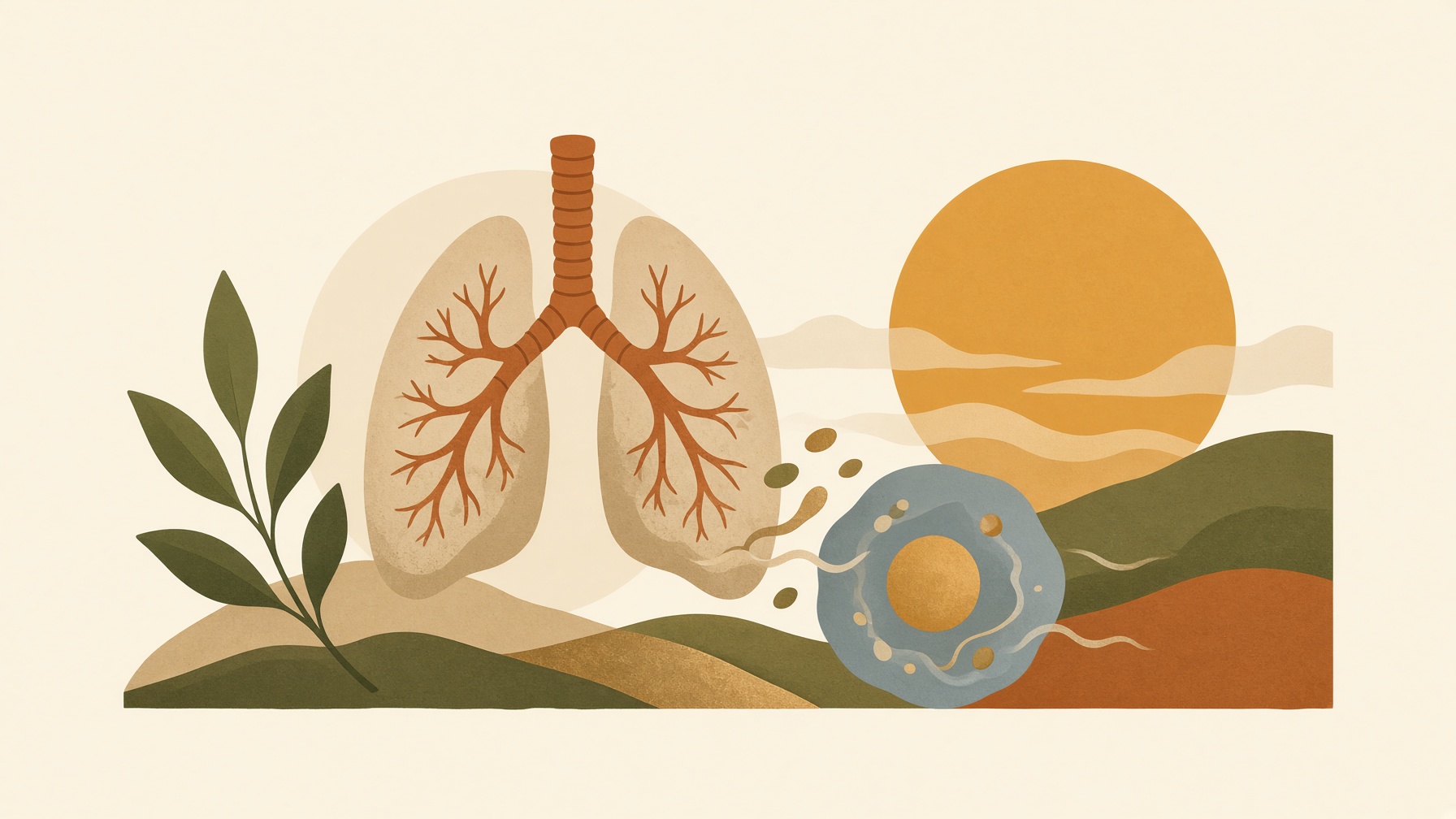
Training specificity links exercise demands to the abilities a person wants to improve, with transfer depending on more than visual similarity.

Supplements can help meet specific nutrient needs when food alone falls short, while a varied diet remains the foundation for most people.
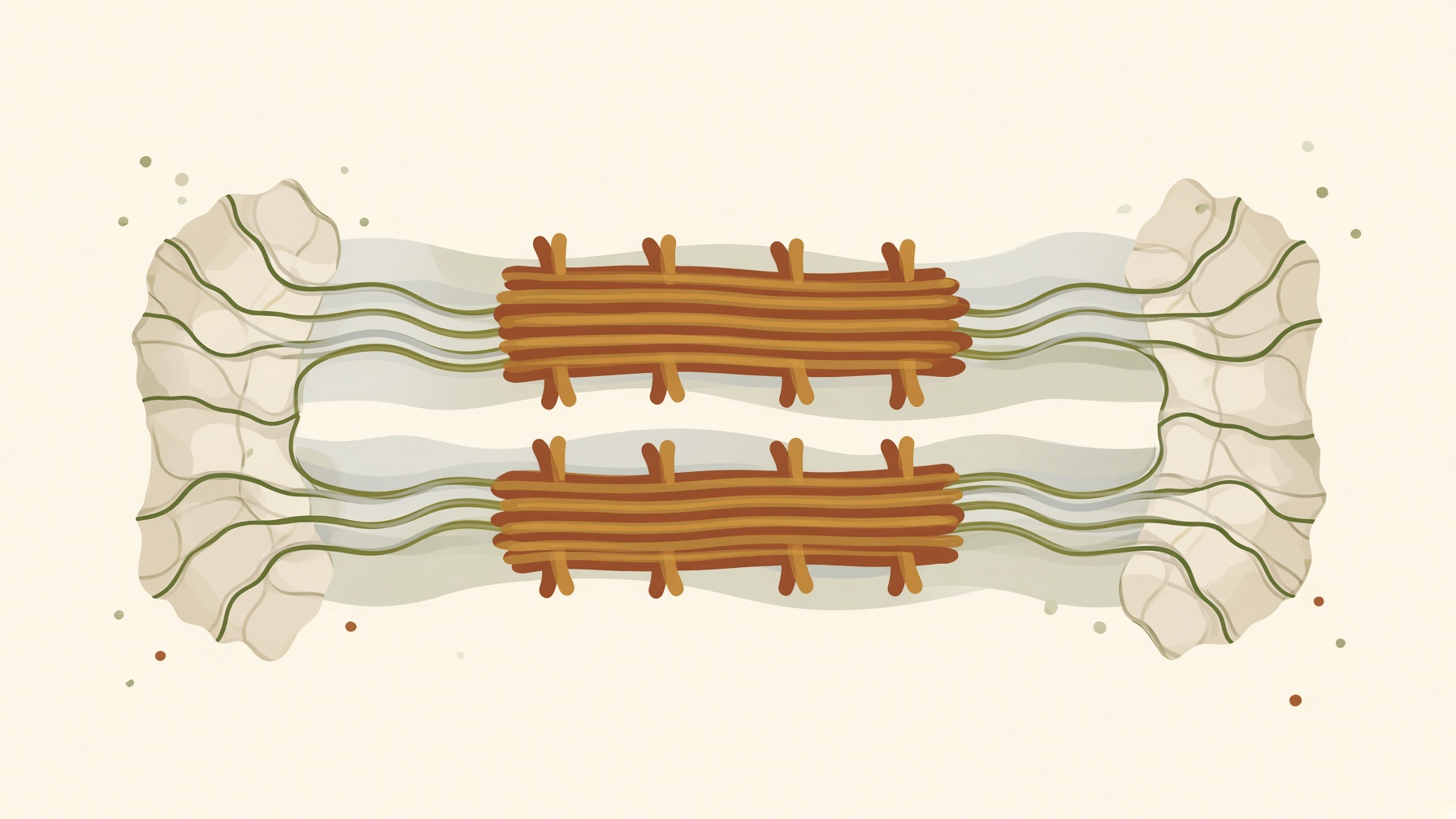
Sarcomeres shorten as thin filaments slide alongside thick filaments, increasing overlap without reducing the length of the filaments themselves.

Standing stability depends on the relationship between the body’s center of mass and base of support, so no single stance suits every task.
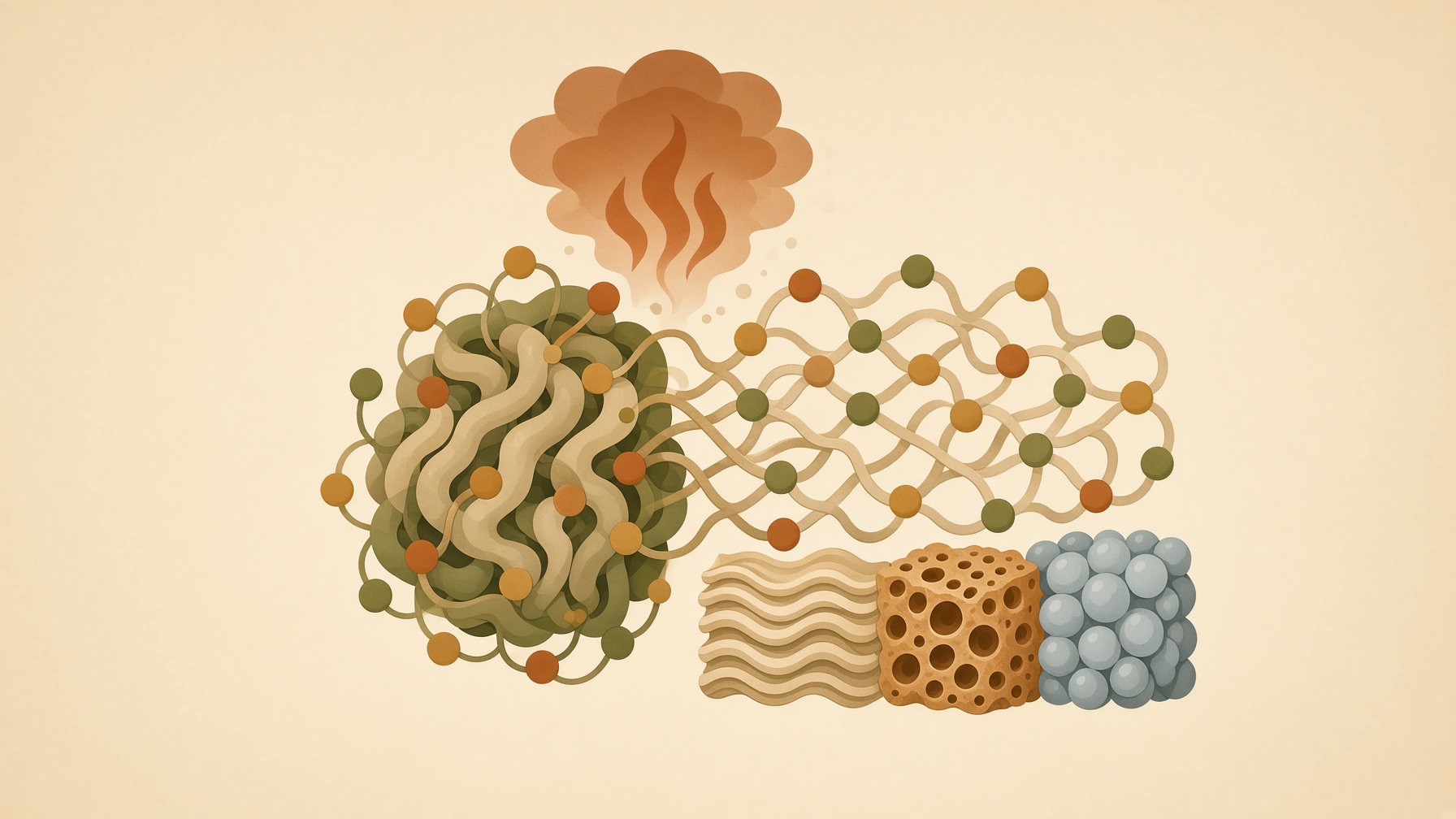
Cooking changes protein folding by disrupting bonds that stabilize shape, while usually leaving the chain of amino acids intact.
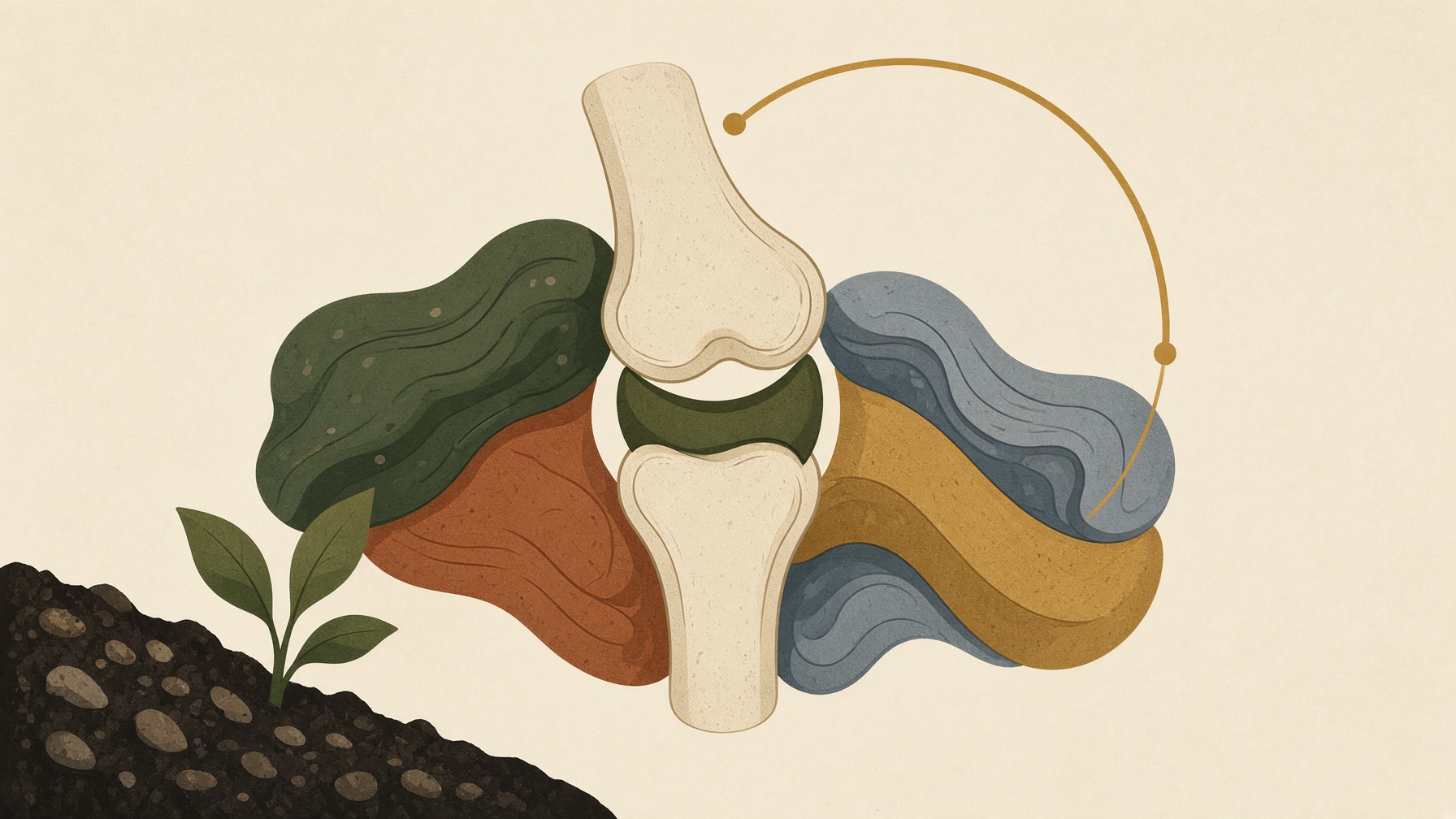
Flexibility reflects joint structure and surrounding tissues as well as stretch tolerance, so similar limits in movement can have different causes.
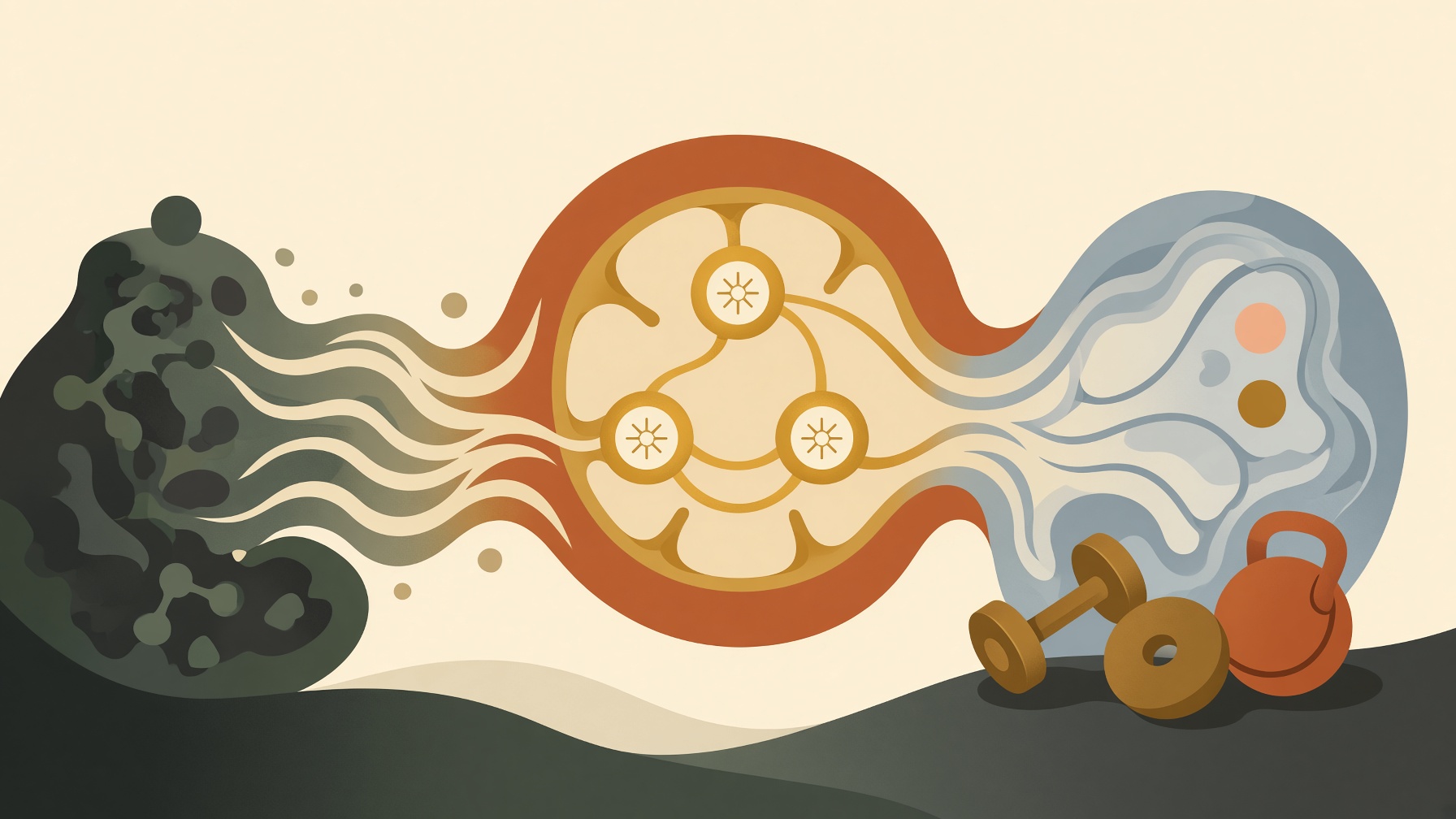
Exercise energy systems work together to replenish ATP, with intensity and duration shifting each pathway’s share rather than switching systems on.
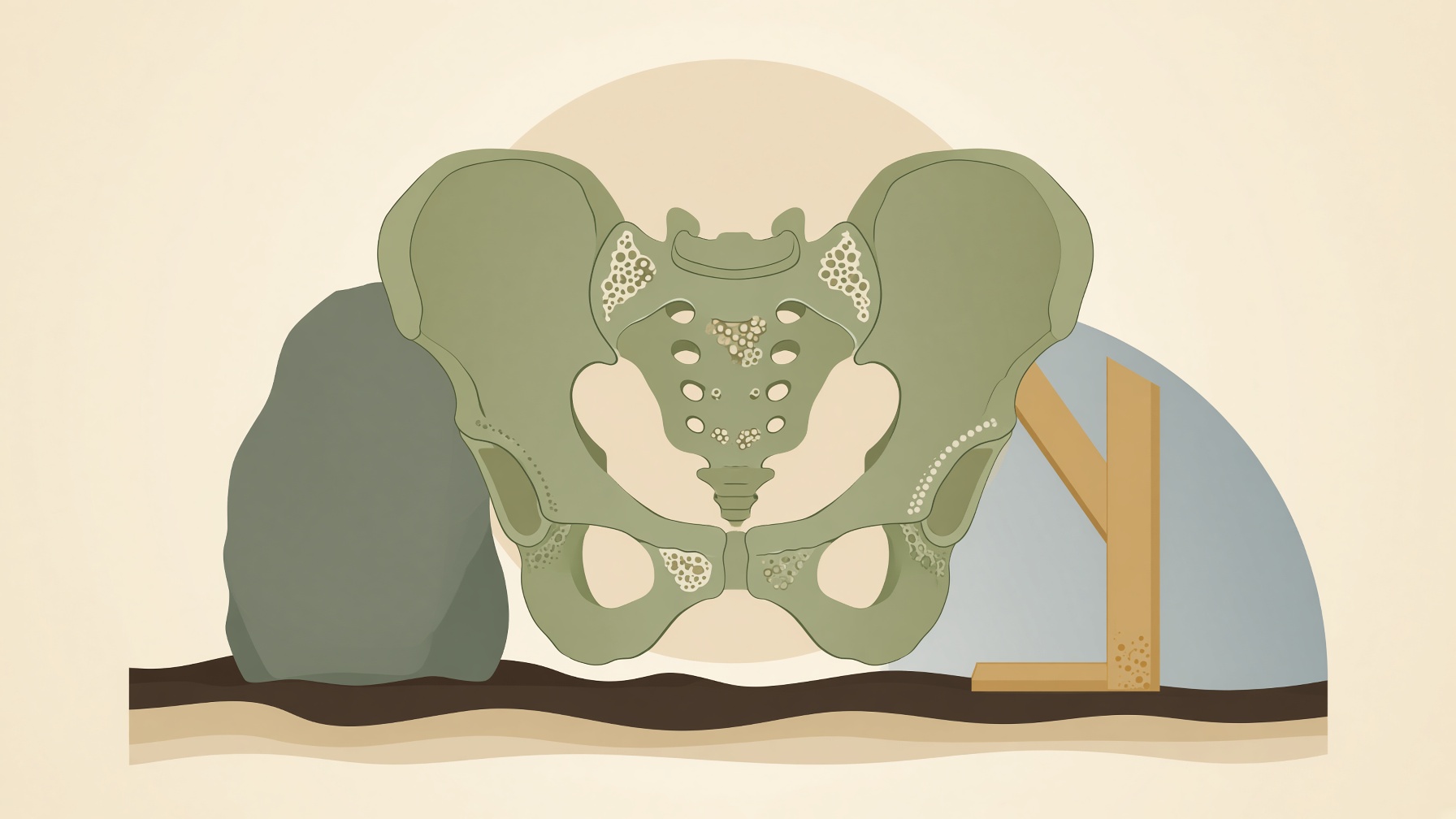
The pelvis limits movement through strong bony connections, providing a stable base that transfers upper-body weight toward the lower limbs.

Nutrition headlines gain meaning when readers weigh a study’s methods and limits alongside the wider evidence behind the claim.
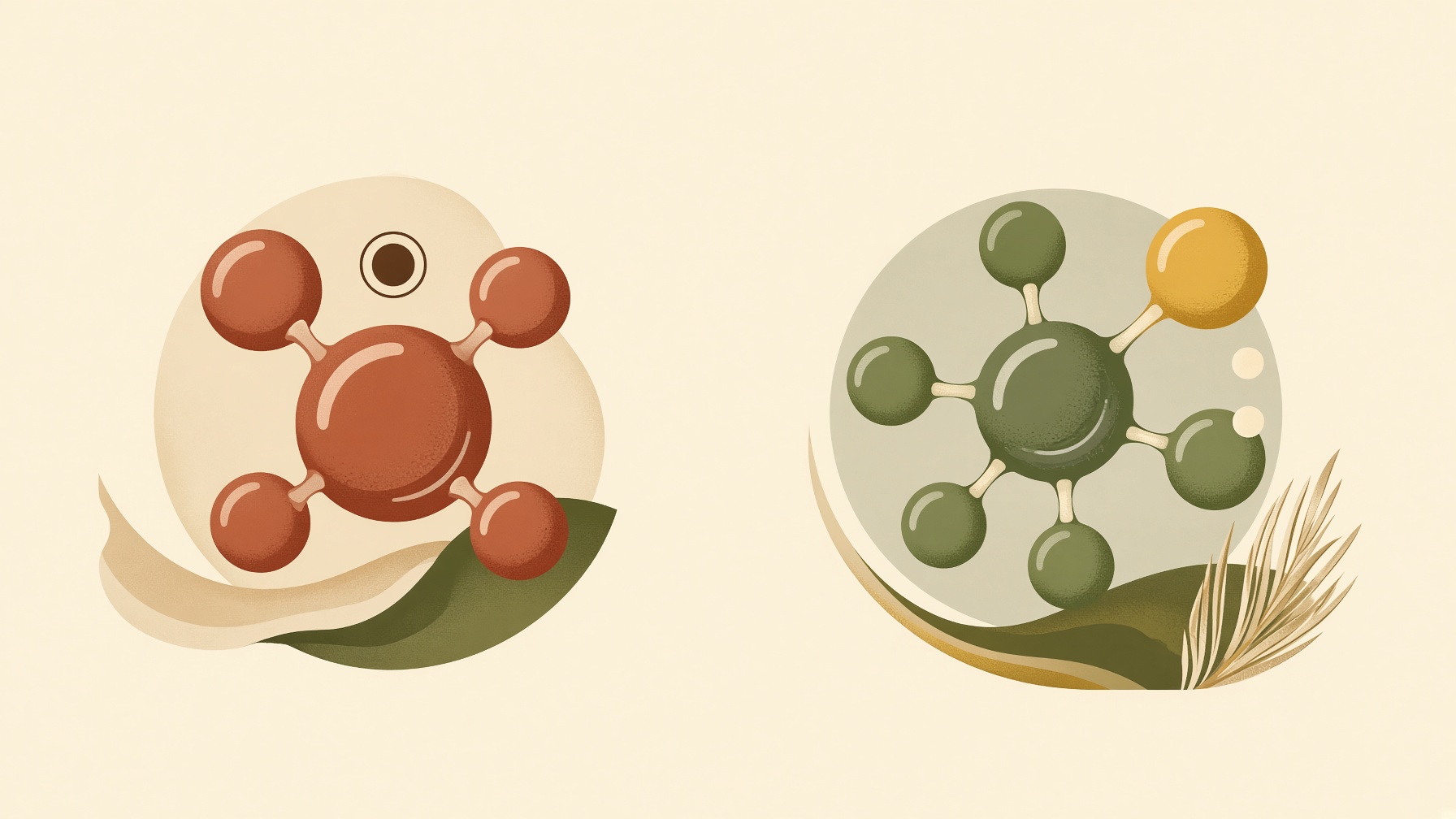
Redox reactions pair electron loss with electron gain, allowing metabolic pathways to transfer reducing power between molecules inside cells.
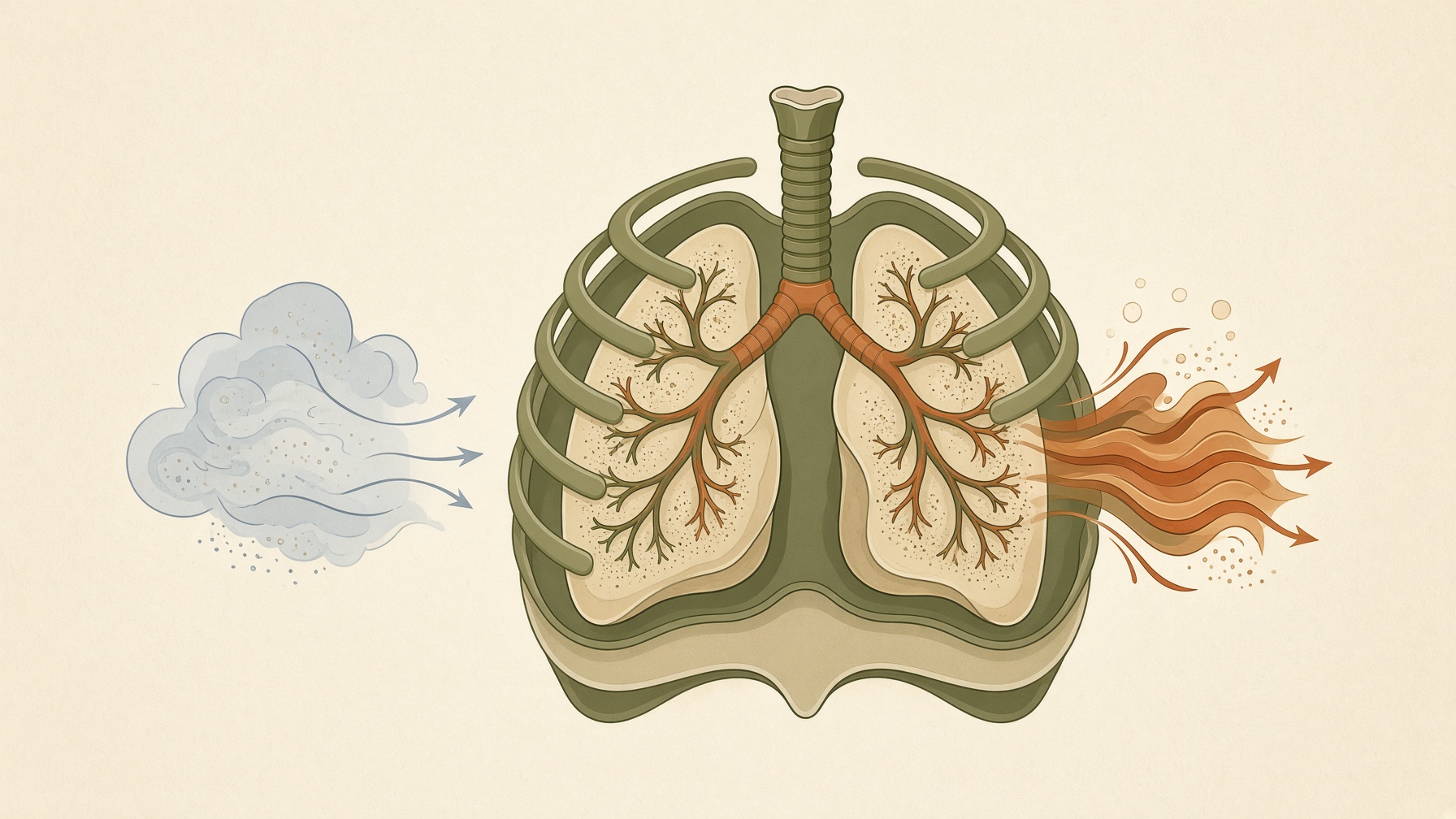
Breathing moves air through pressure differences created as the lungs expand and recoil, with airflow traveling from higher to lower pressure.
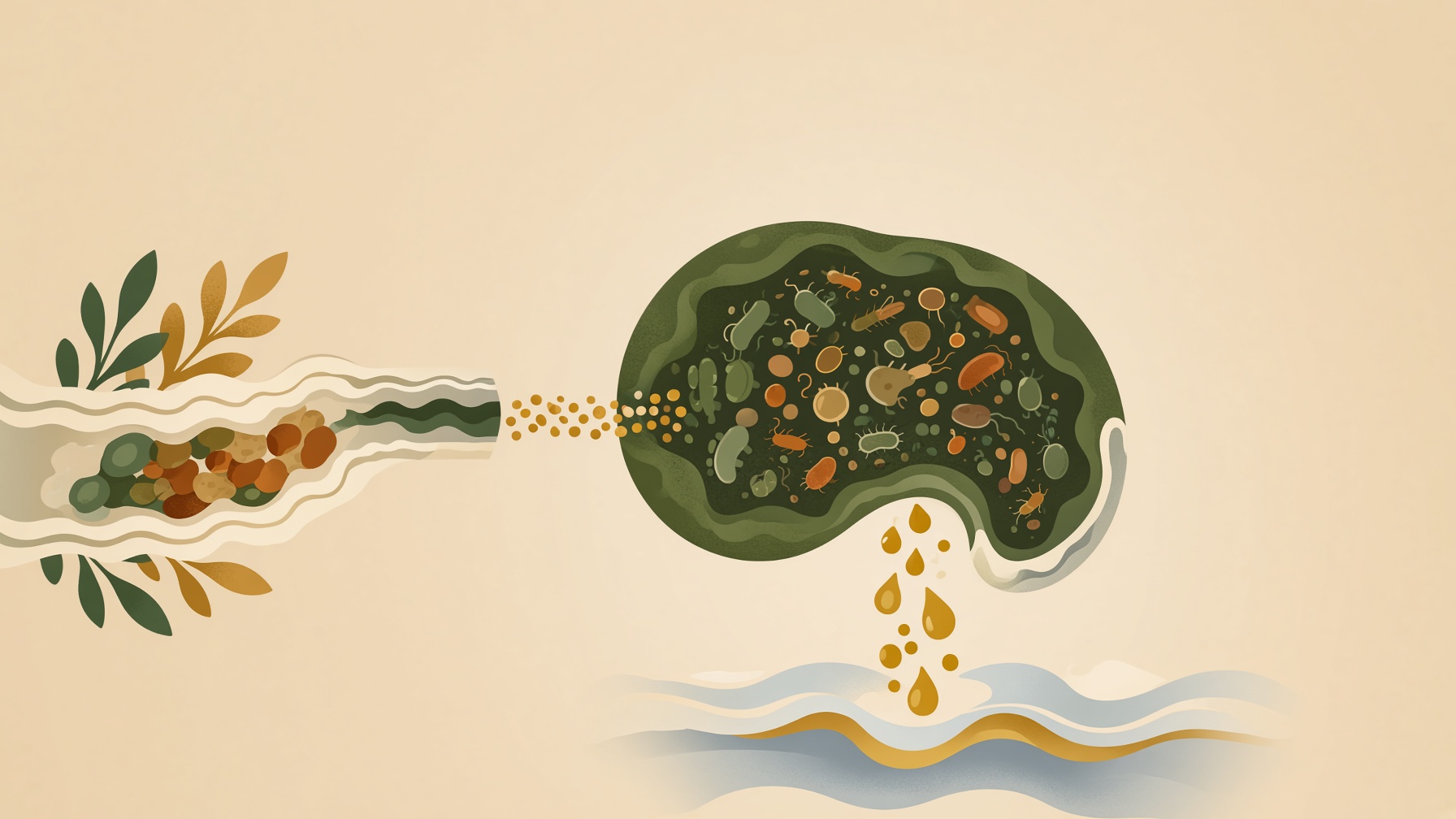
Colon microbes ferment some dietary fiber into short-chain fatty acids that the body can absorb, recovering energy human enzymes cannot release.
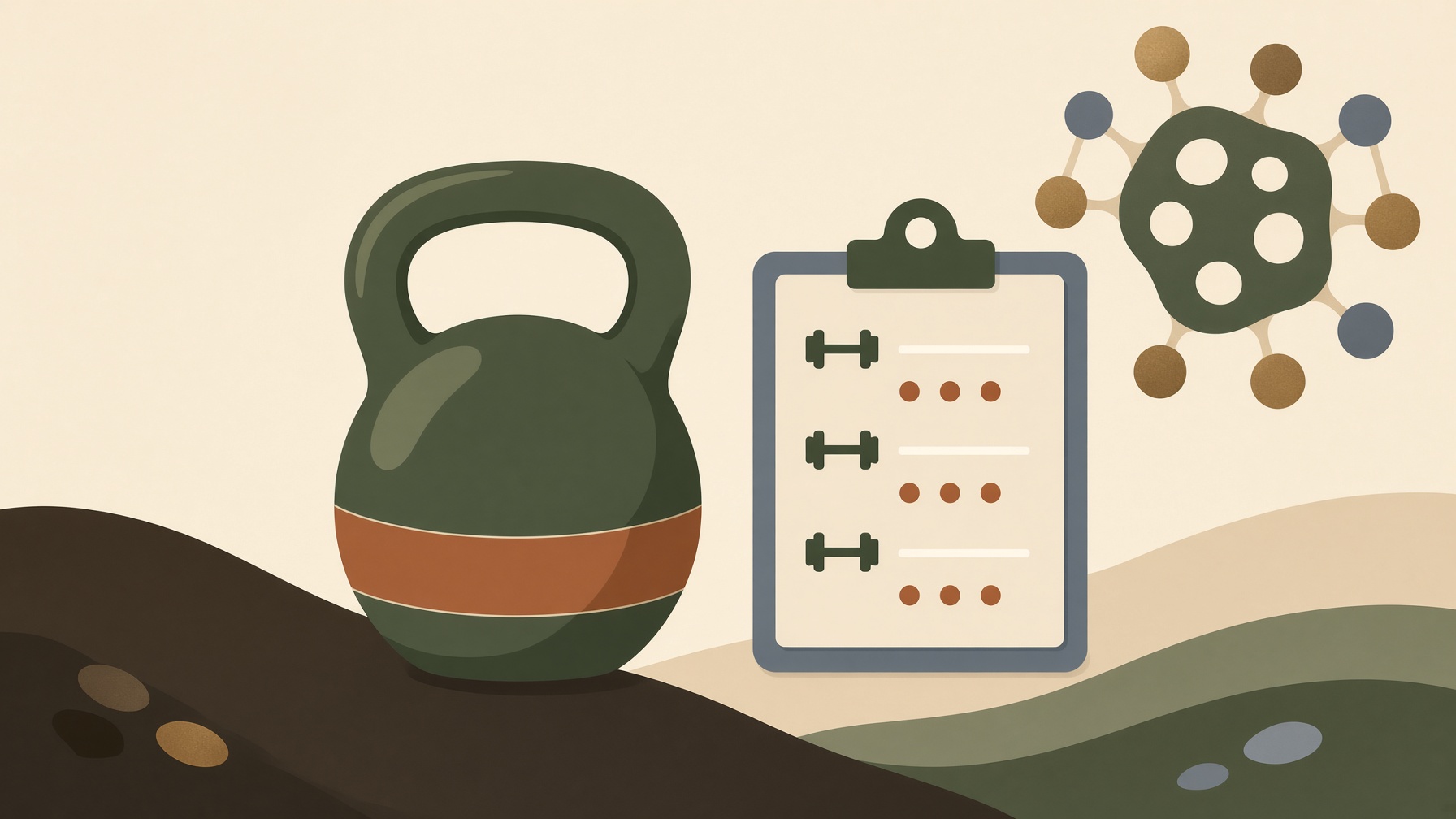
A simple resistance-training program builds a repeatable routine around major muscle groups, with demands that can change as performance improves.
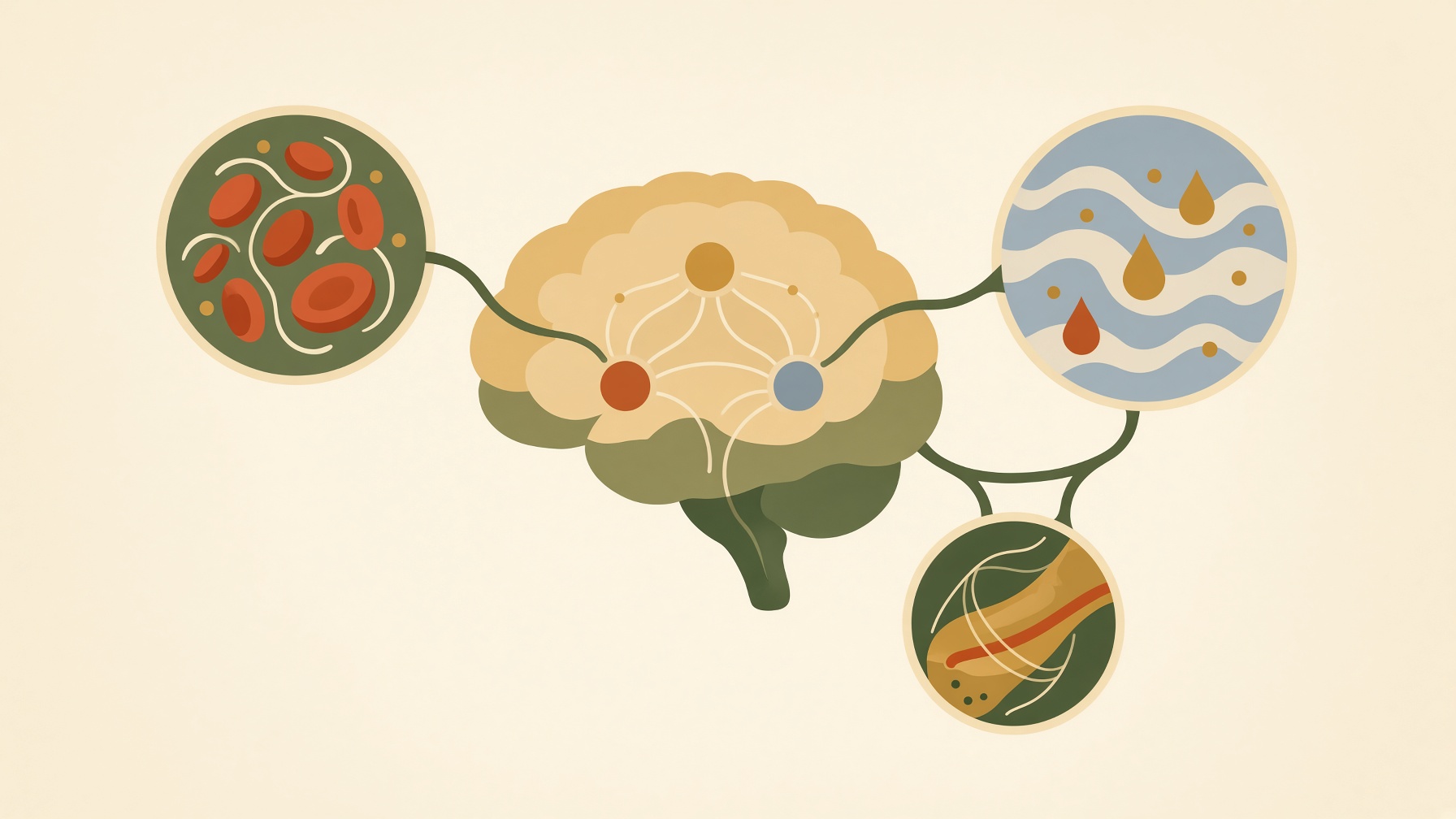
Thirst responds to changes in body-fluid balance, but signals from drinking can reduce the urge before water fully corrects the imbalance.
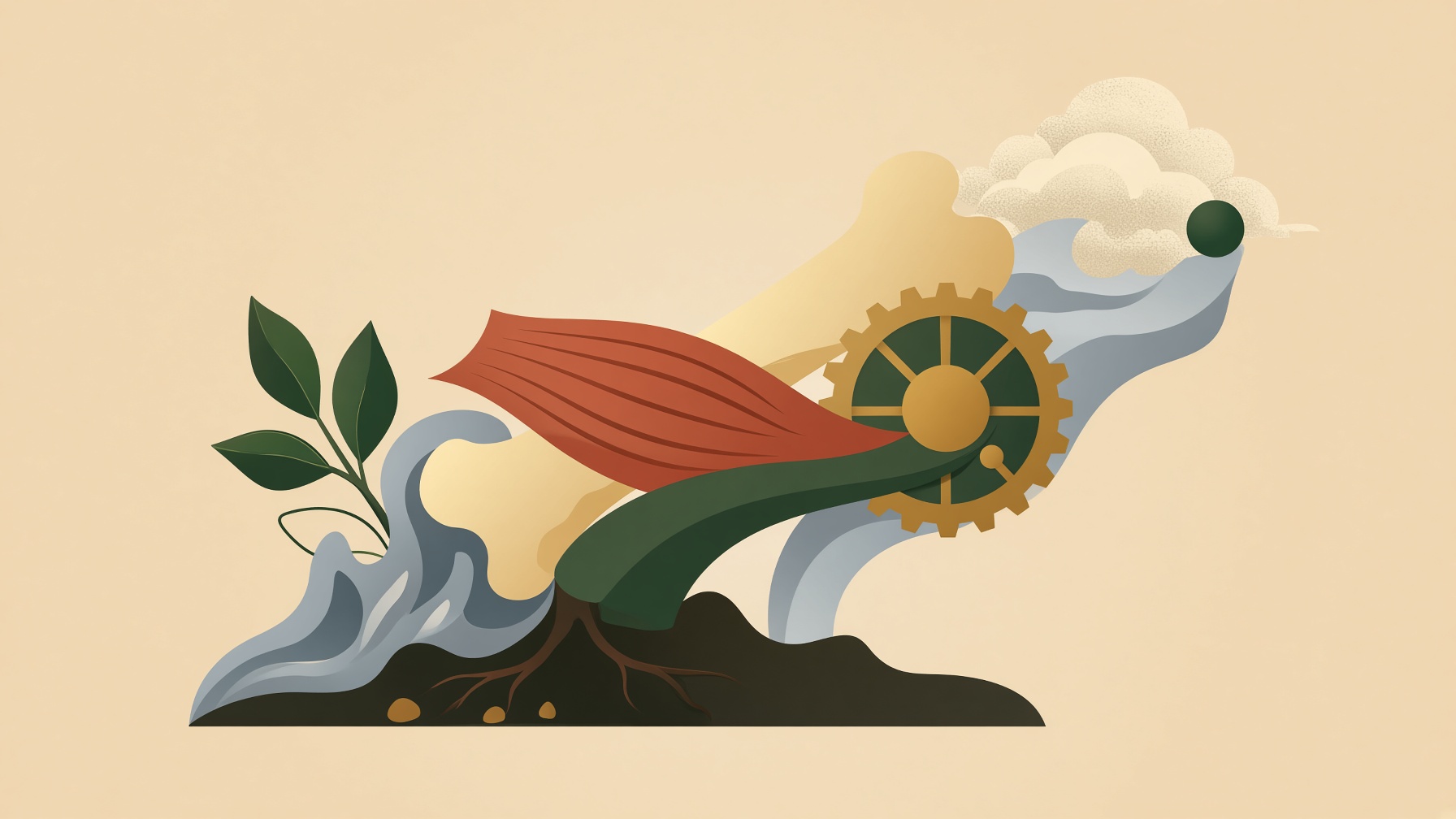
Biomechanics explains human movement through the interaction of body structures and forces, revealing the mechanics behind familiar actions.