

If Going Downstairs Feels Easy, What Are Your Legs Doing?
Going downstairs asks the legs to brake the body as it lowers, even when controlled stepping tests show lower oxygen use than climbing.
Newest first
The newest work from the Alpekin Journal, in publication order.
Going downstairs asks the legs to brake the body as it lowers, even when controlled stepping tests show lower oxygen use than climbing.
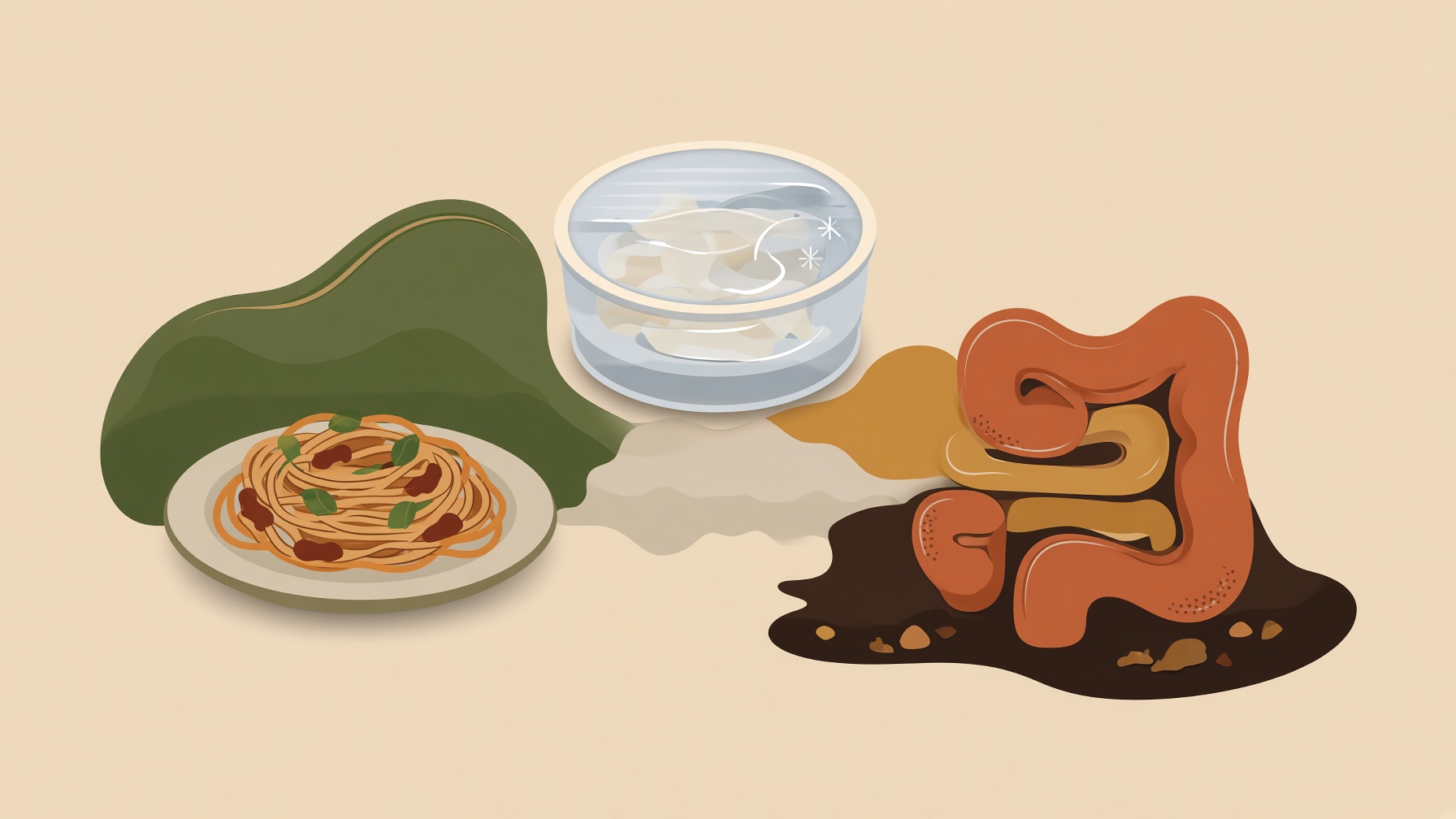
Cooling and reheating pasta can change the blood-glucose response to a meal, but small trials do not establish a reliable reduction.
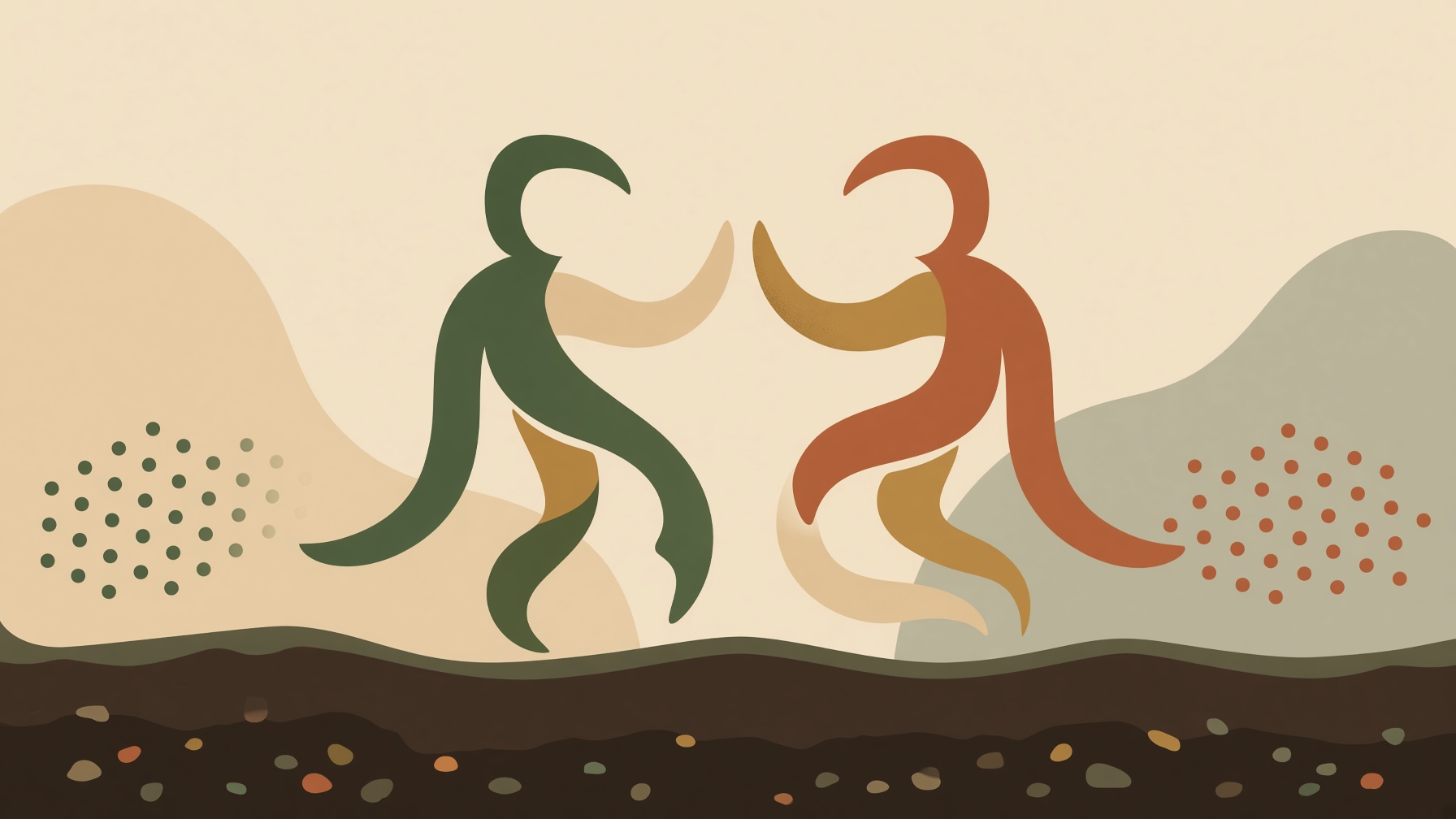
Matching dance movements led strangers to report greater closeness than doing the same moves in different sequences during one short group session.
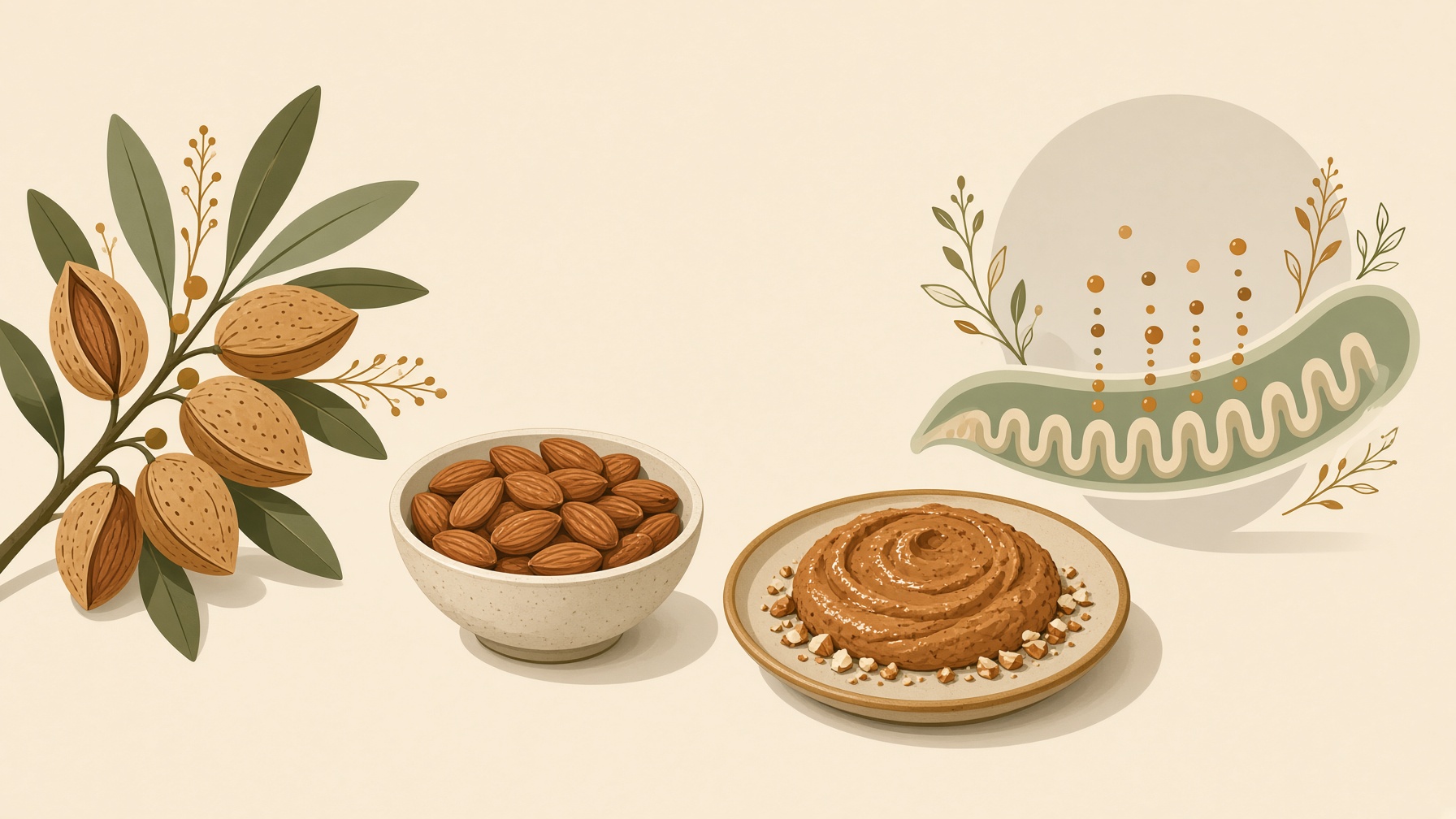
Whole almonds yielded less metabolizable energy than pure almond butter in a small feeding trial, with access to fat a plausible explanation.
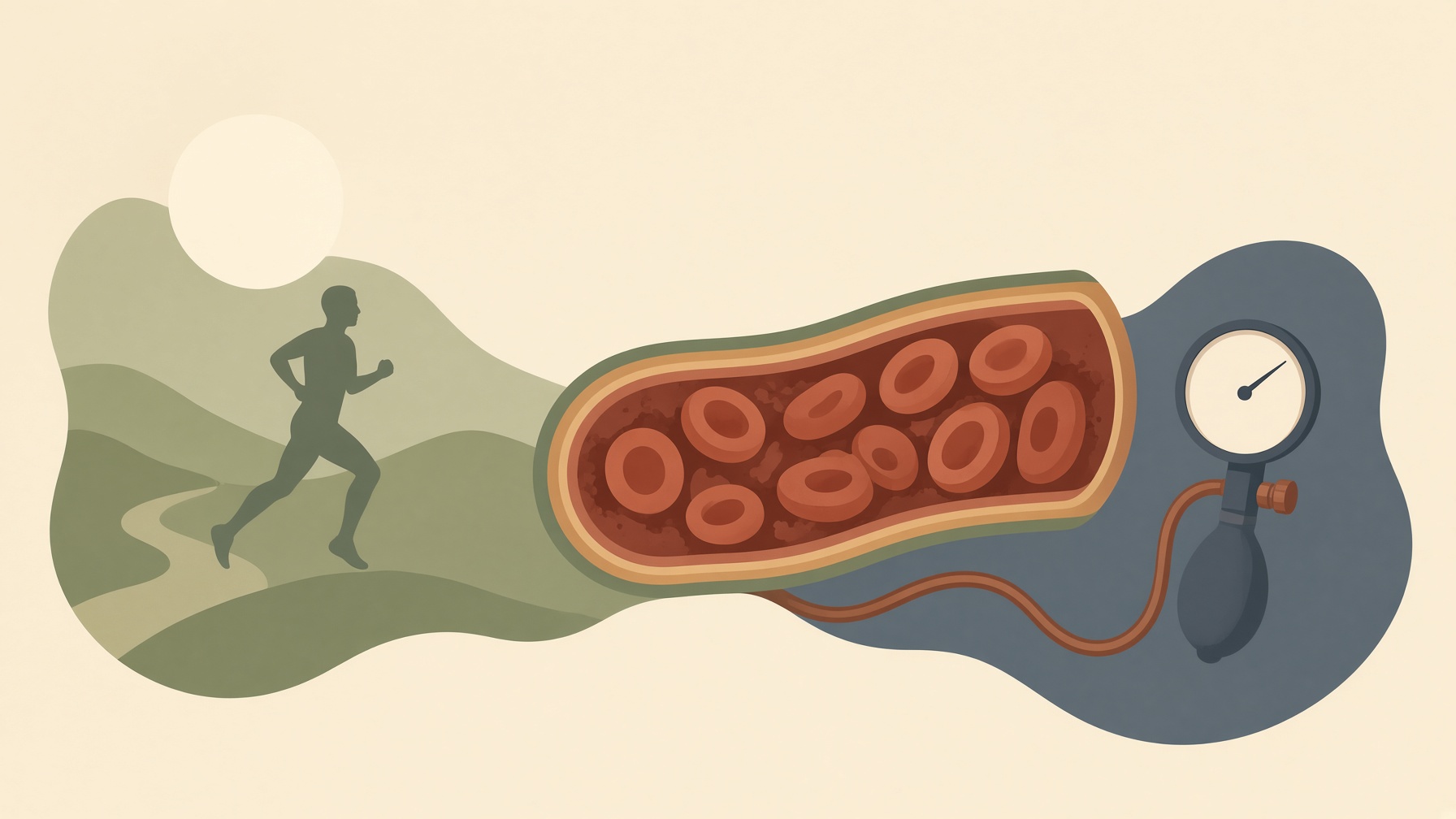
Blood pressure during exercise reflects physical effort, so a temporary rise does not carry the same meaning as persistent elevation at rest.
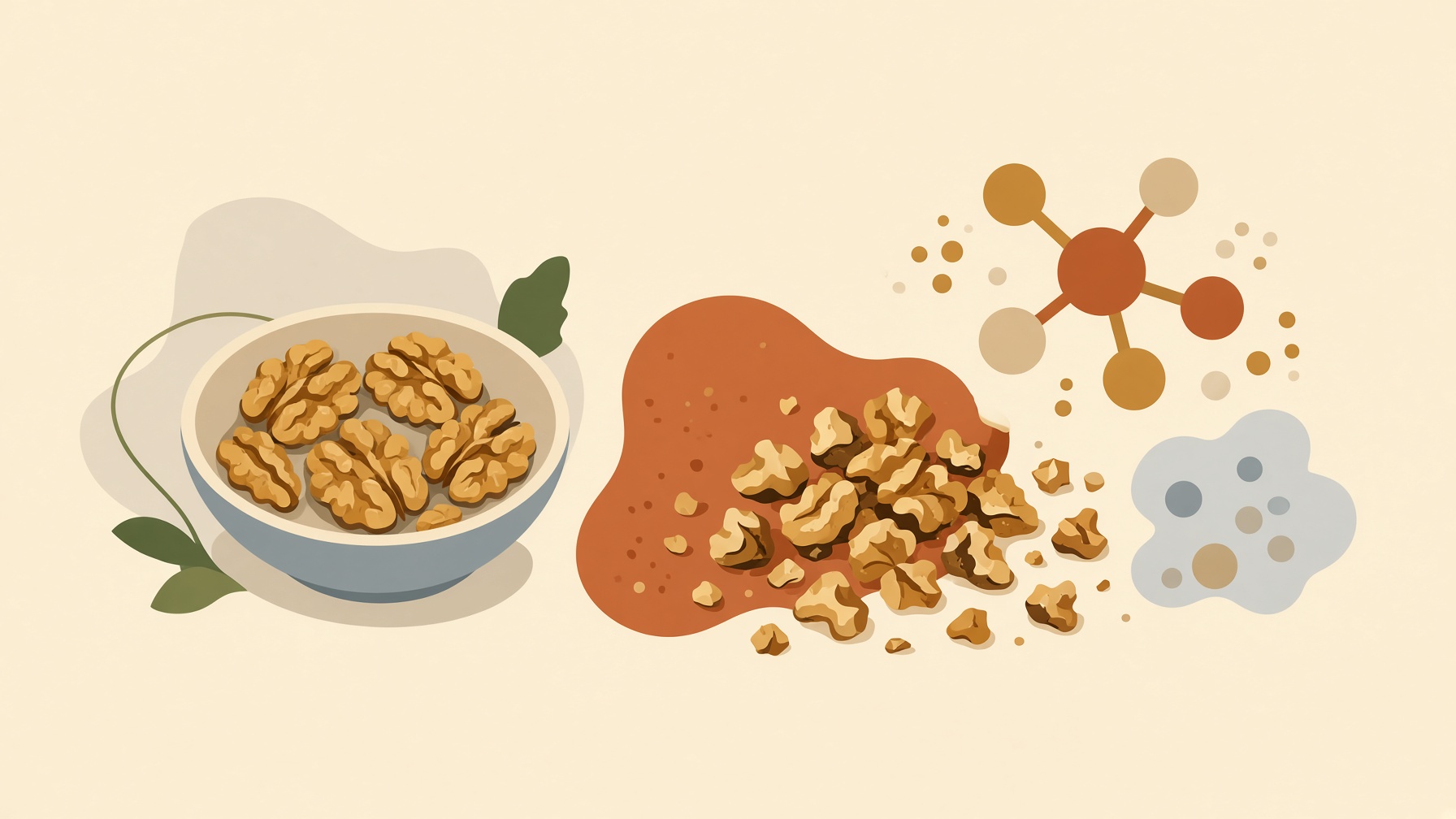
Chopped walnuts had higher oxidation-marker readings late in one storage study, but the results do not show when walnuts taste rancid or become unsafe.
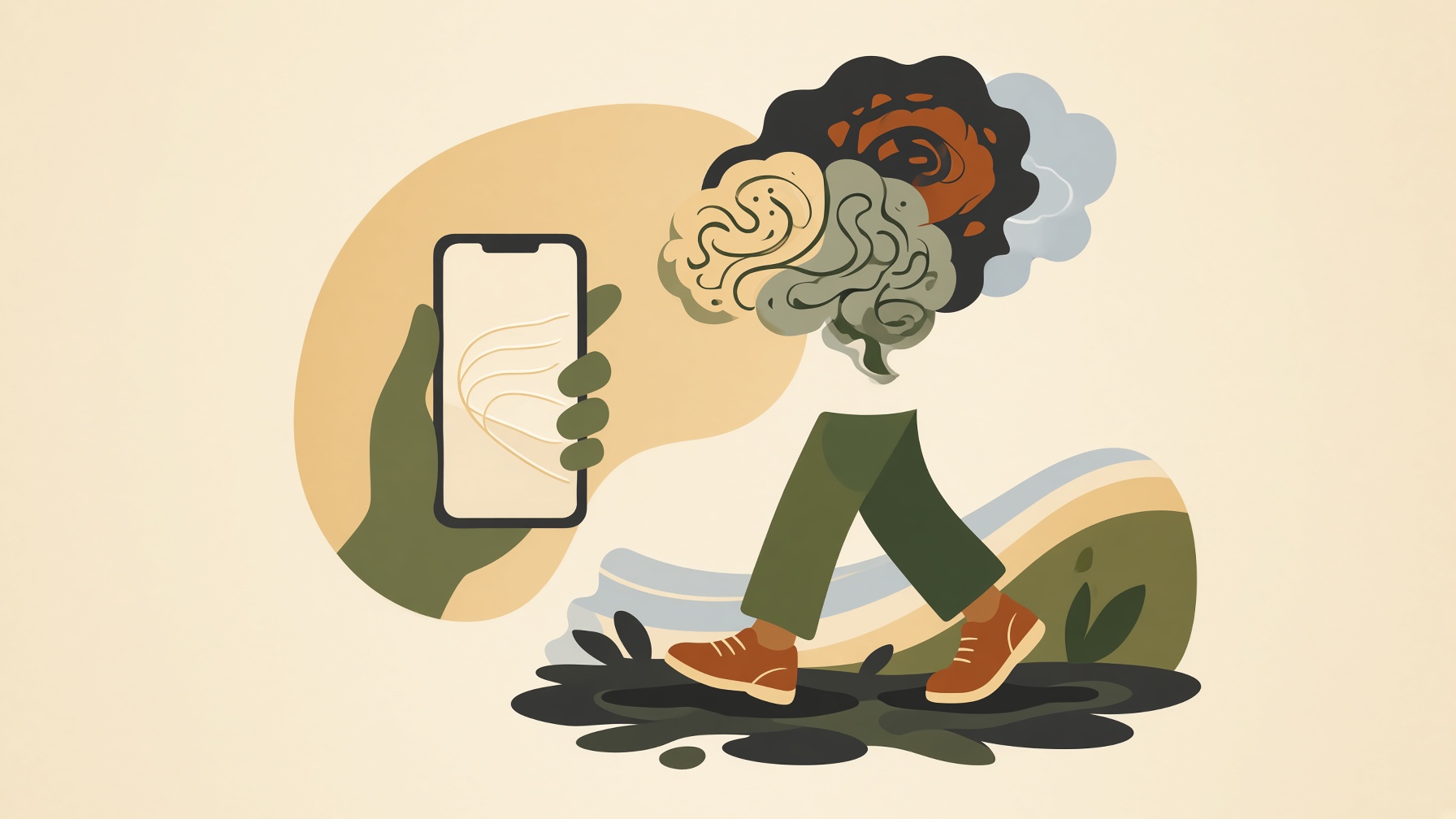
Walking speed was higher during anger writing than sadness writing in a small experiment, but the task did not isolate the effect of emotion alone.

Salad toppings can increase absorption of carotenoids already in the vegetables, beyond the compounds the toppings contribute themselves.
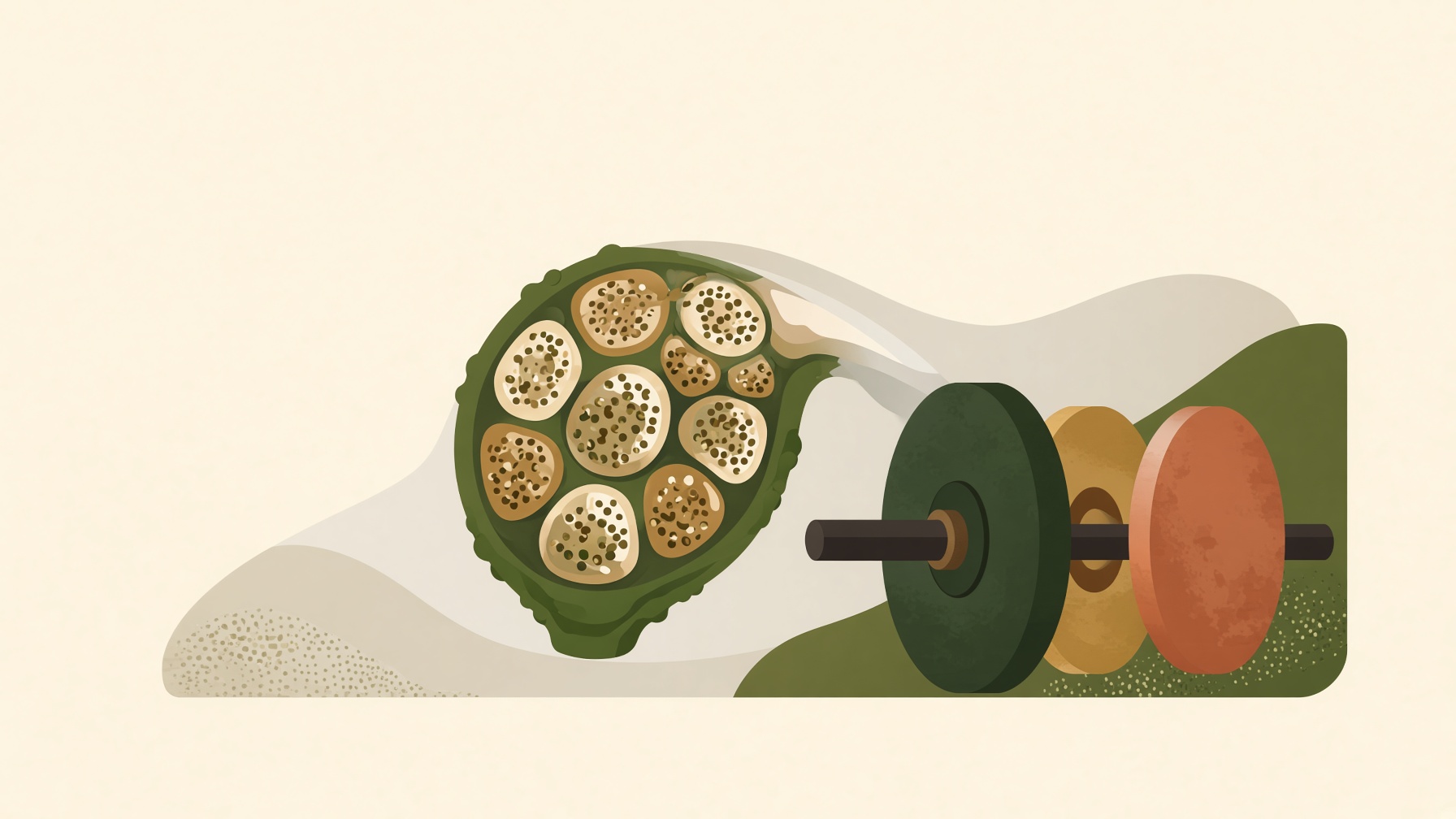
Can two full-body lifting sessions build strength and muscle? Compare weekly schedules, training per muscle and what the research actually measured.
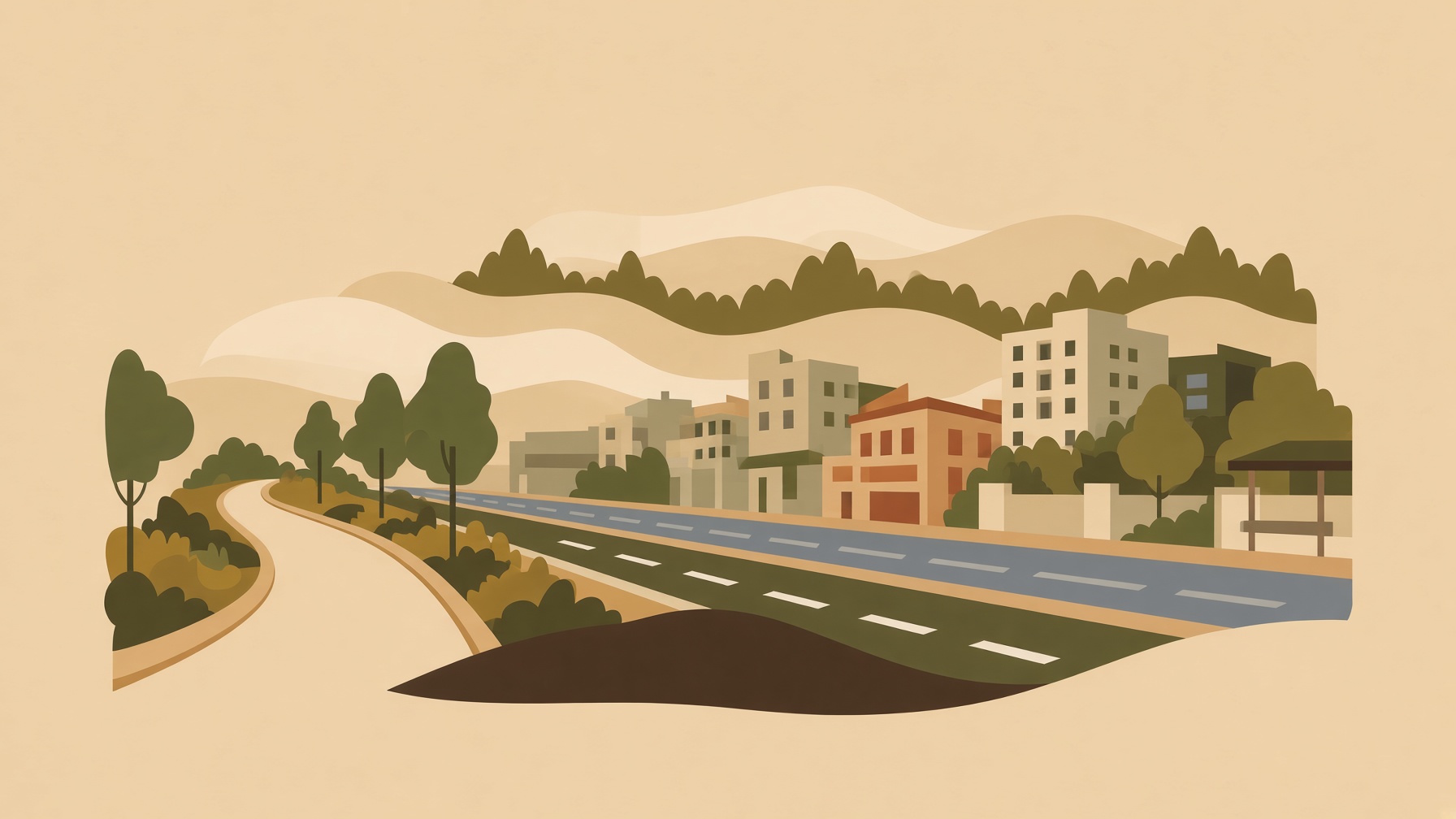
Neighborhood walkability is associated with opportunities for everyday physical activity, but its relationship to body weight is not straightforward.

Half marathon pacing research tracks how runners distribute speed across a race, but observed splits cannot establish the best starting pace for every runner.
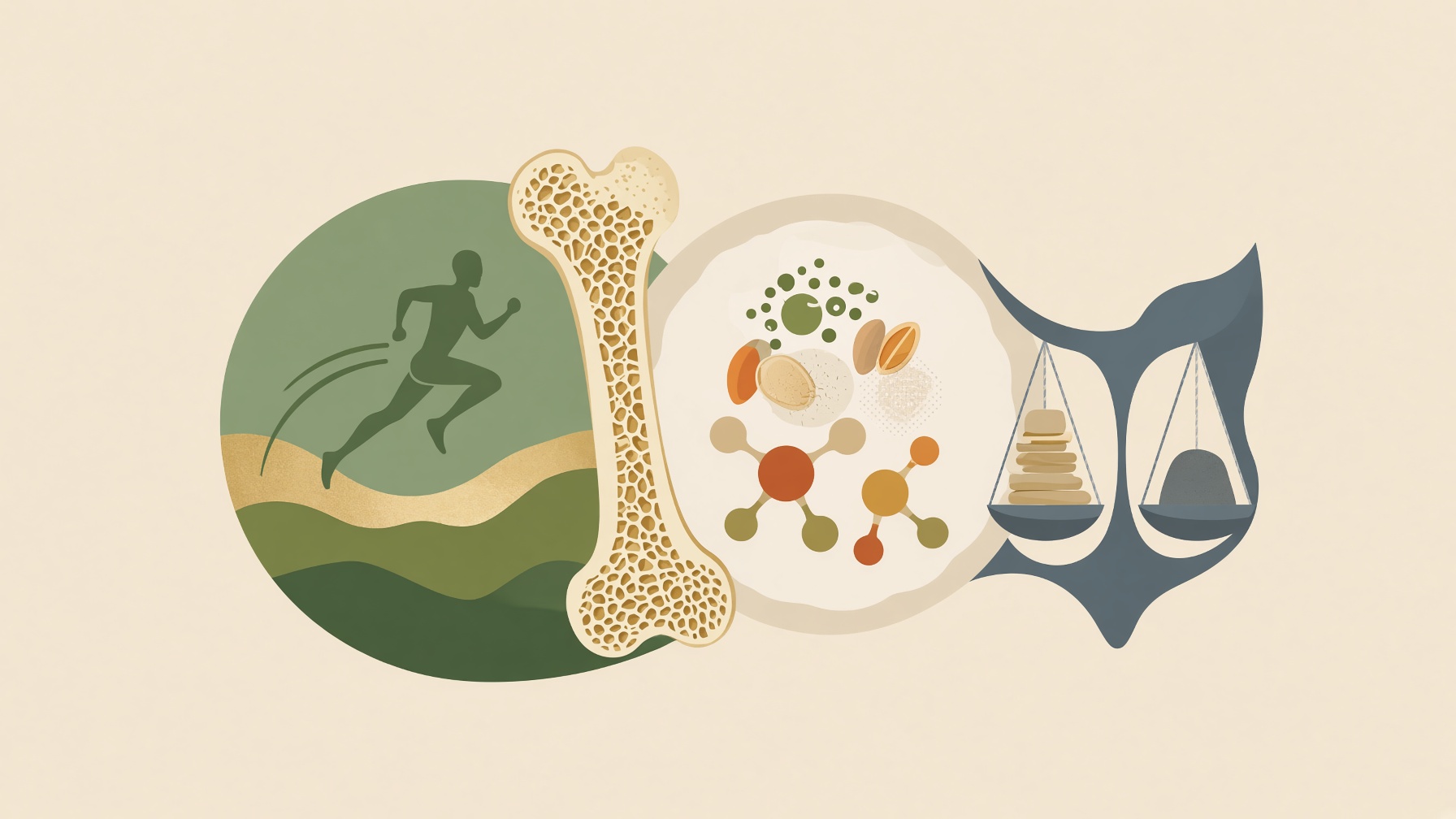
Exercise for bone health involves mechanical loading, while strength and balance training support physical function and help reduce the risk of falls.

Healthy eating advice is harder to follow when nutritious food is unaffordable or inaccessible, even when people understand what a balanced diet looks like.

Fruit sugar, total carbohydrate and portion size measure different things, so a lower-sugar ranking does not establish a lower-carbohydrate portion.
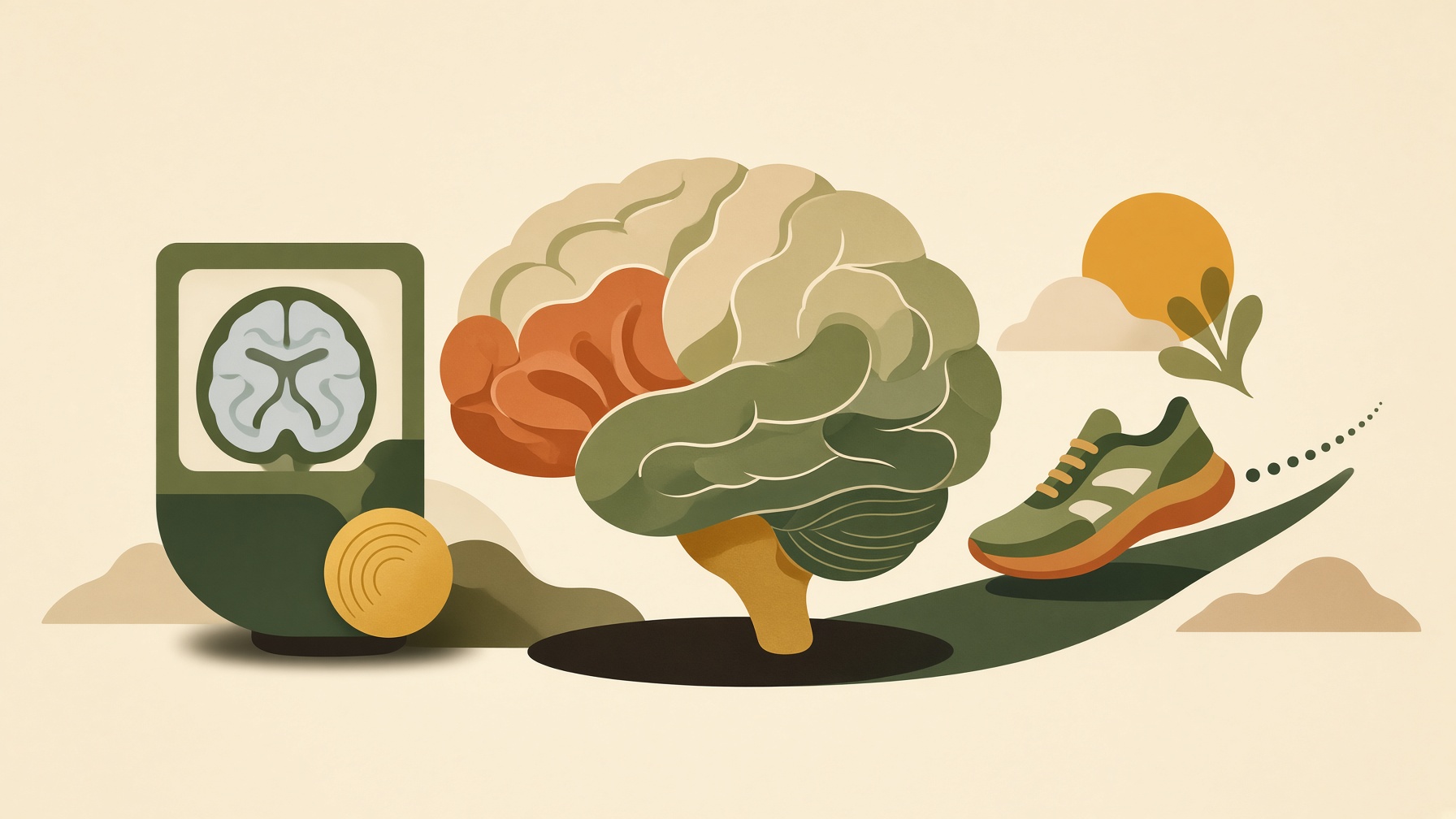
Exercise can shift some MRI-based brain-age estimates, but changes depend on the model and do not demonstrate literal reversal of brain aging.
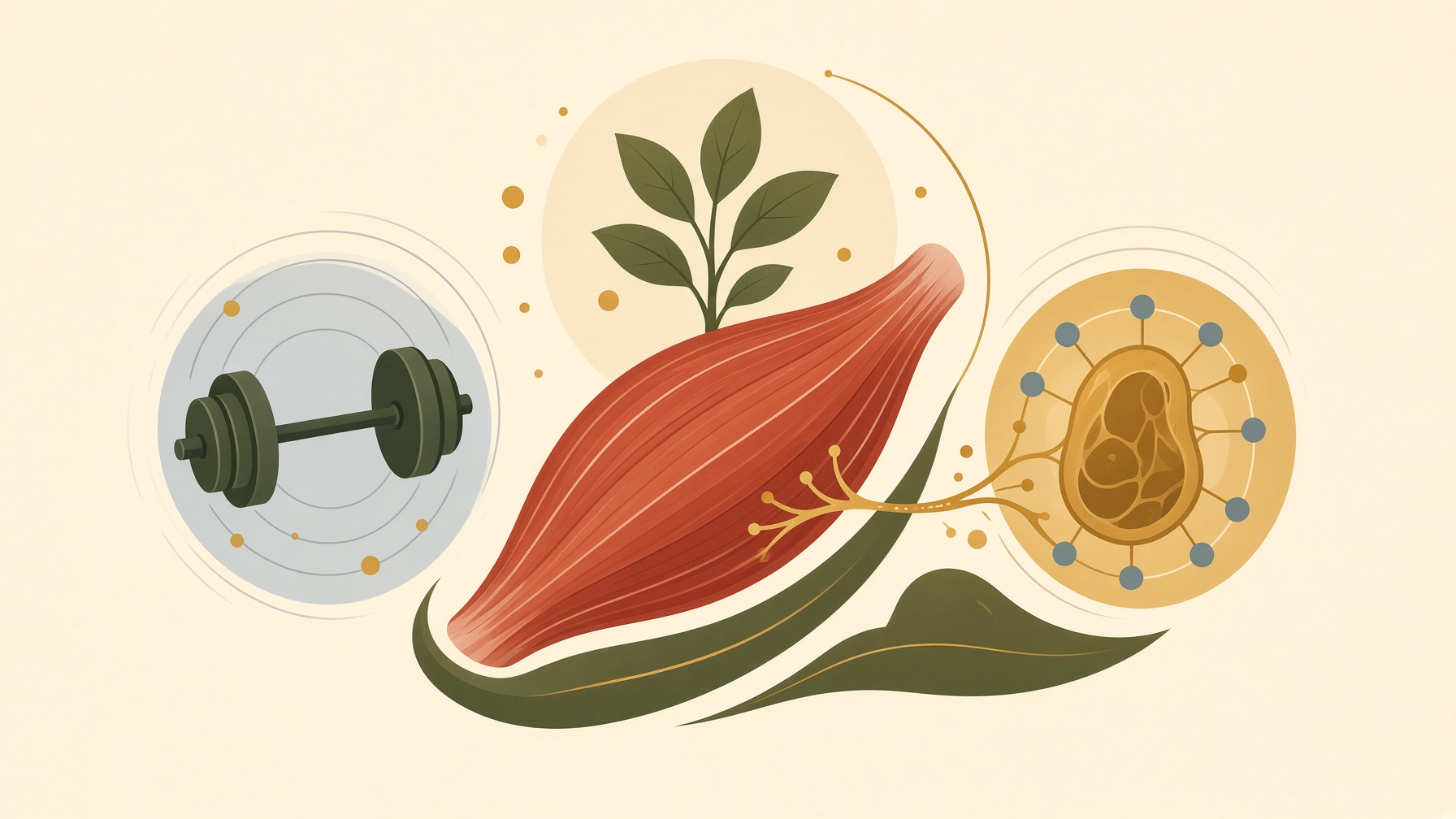
Repeated training can improve muscular performance and glucose transport capacity, with adaptations that differ from the response to one workout.
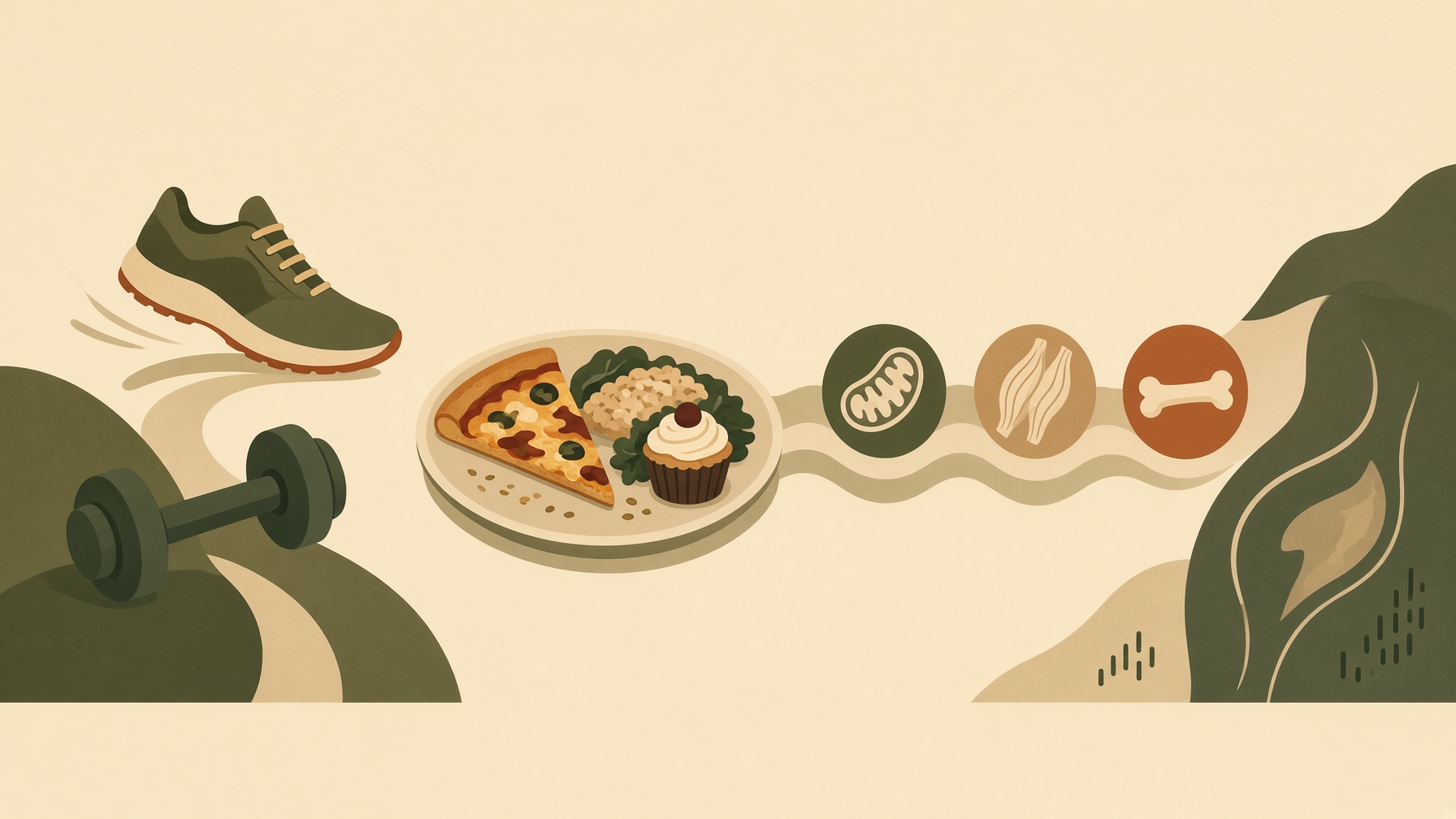
Training and nutrition shape outcomes through repeated patterns, and evidence does not support treating one imperfect meal as a workout cancellation.
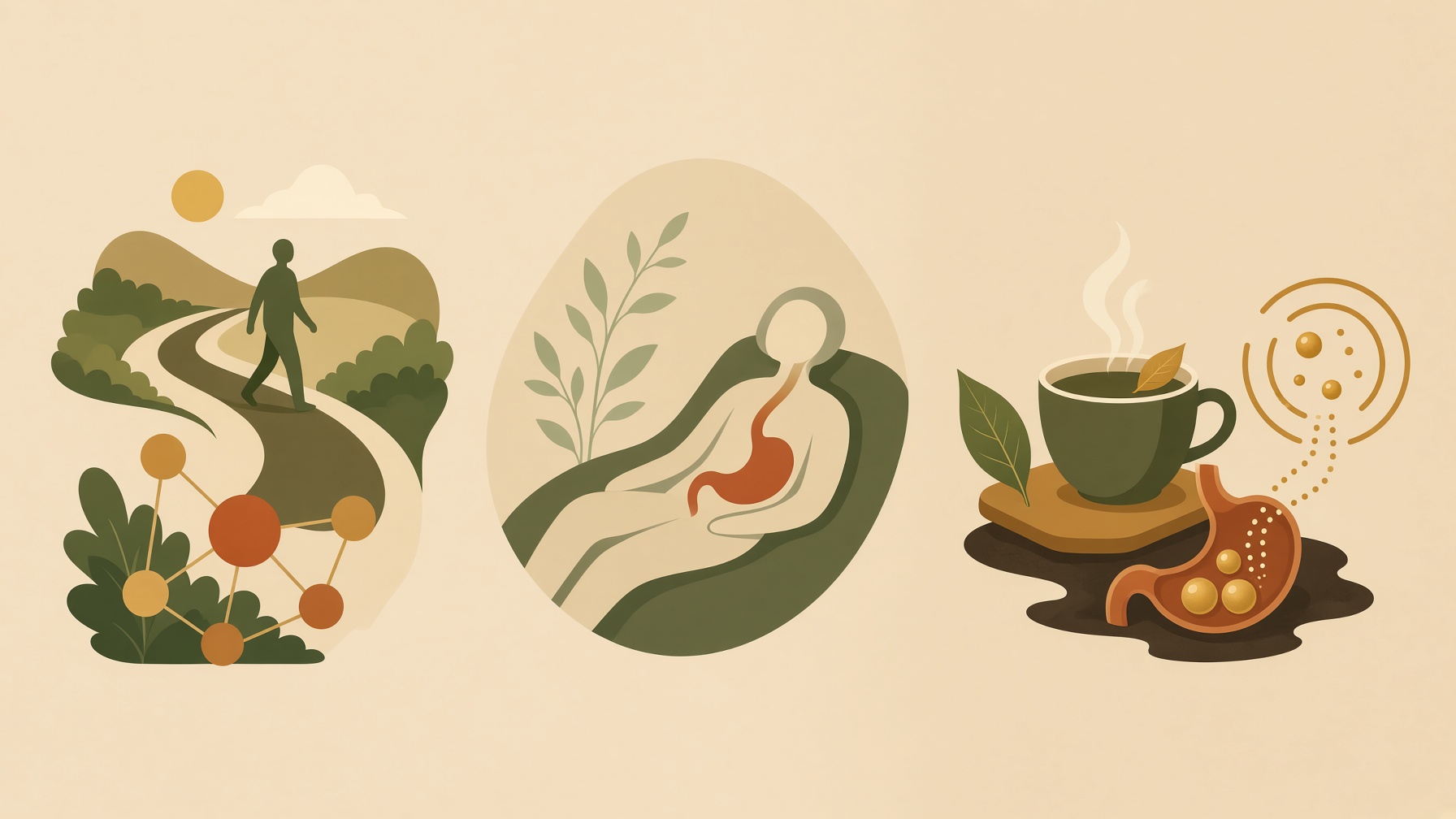
Post-meal walking, tea and lying down affect different outcomes, so evidence about glucose, iron absorption or reflux cannot support one universal rule.
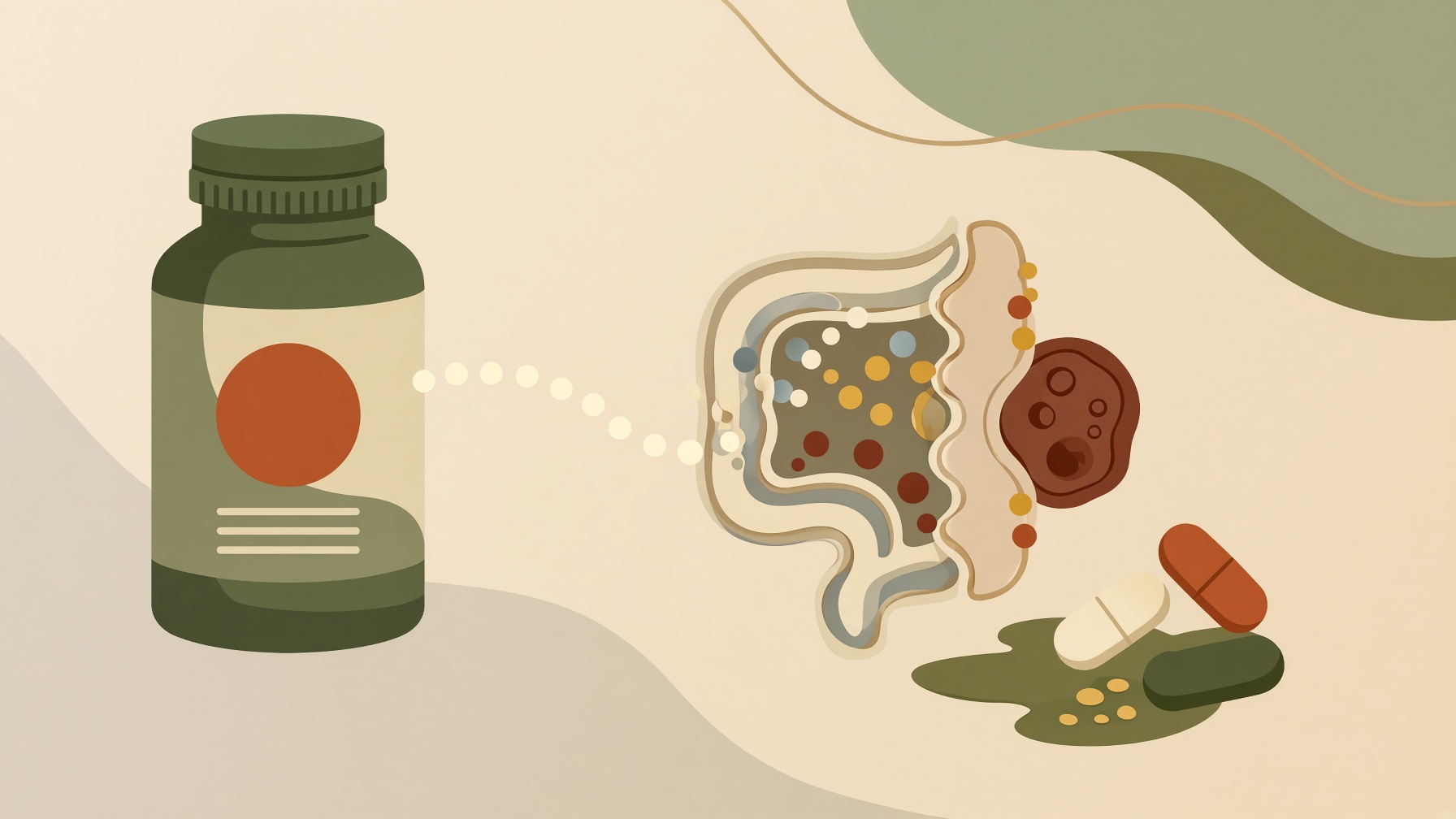
Daily vitamin B12 can address low intake or deficiency, but the reason for deficiency determines treatment and extra B12 offers no assured added benefit.
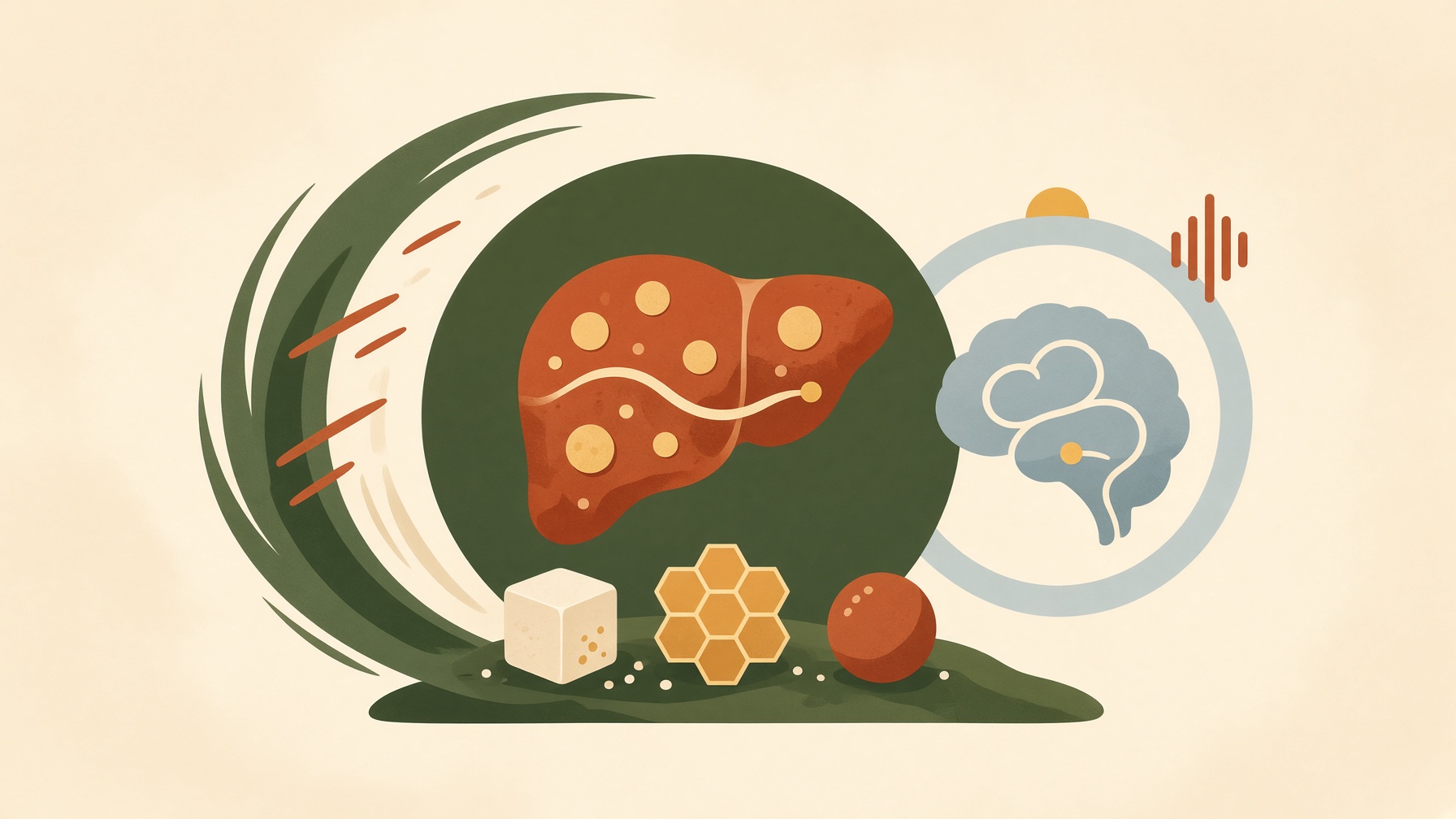
One workout can change short-term glucose responses or cognitive-task performance, but those acute effects do not establish long-term adaptation.

Meal size does not reveal calorie intake, because energy density and the wider pattern of eating affect energy balance beyond the visible plate.

Dietary patterns show more consistent links to favorable inflammatory markers than individual foods, without proving that a diet can switch inflammation off.

Coffee has observational links to less liver fibrosis, but evidence does not establish coffee as a treatment or show that weight loss explains the link.

Exercise changes many chemical signals, but an acute blood measurement cannot establish what happens in every tissue or explain long-term adaptation.